

Exploring the Historical Temples of Ayodhya’s Sacred Landscape

A Journey into India’s Most Sacred Cityscape
There are few places in the world where spirituality, history, and architectural beauty converge as profoundly as they do in Ayodhya. This ancient city, nestled along the banks of the Sarayu River in northern India, has captivated pilgrims, scholars, and travelers for centuries. For those seeking to understand the soul of India and experience its spiritual depth, Ayodhya offers an unparalleled journey through time and devotion.
The city’s significance in Hindu tradition is immeasurable. According to ancient texts, Ayodhya is the birthplace of Lord Rama, one of Hinduism’s most revered deities. This connection has shaped the city’s identity for millennia, drawing millions of devotees who come to pay homage and seek spiritual enlightenment. Yet beyond its religious importance, Ayodhya presents a fascinating tapestry of architectural styles, urban planning, and cultural evolution that reflects India’s complex and rich heritage.
When you wander through Ayodhya’s lanes today, you’re walking through layers of history. Each temple, each ghat, and each corner tells stories of dynasties, devotion, and the enduring human quest for the divine. For the discerning traveler, this makes Ayodhya an essential destination—one that offers far more than a conventional pilgrimage experience.
The Majestic Ram Mandir: A Testament to Faith and Craftsmanship
Any exploration of Ayodhya’s temples must begin with the Ram Mandir, a structure that has become synonymous with the city itself. Recently consecrated after decades of anticipation, this magnificent temple represents both a culmination of centuries-old devotion and a remarkable feat of contemporary architecture.
The Ram Mandir is breathtaking in its scale and intricacy. The main shrine rises elegantly against the sky, its towers adorned with intricate stone carvings that showcase exceptional craftsmanship. Every detail, from the delicate floral motifs to the elaborate sculptural work, reflects meticulous attention to traditional Hindu architectural principles. The temple incorporates classical North Indian design elements while also embracing modern construction techniques—a harmonious blend that appeals to both traditionalists and contemporary sensibilities.
What makes the Ram Mandir particularly special is the spiritual energy that permeates the space. Stepping into the sanctum sanctorum, where devotees offer their prayers before the revered idol of Lord Rama, creates an overwhelming sense of connection to something greater than oneself. The devotion visible on visitors’ faces, the resonance of chanting, and the fragrance of flowers and incense create an atmosphere that transcends religious boundaries. Even secular visitors often find themselves moved by the profound reverence present within these walls.
The temple complex extends beyond the main shrine, offering multiple levels and spaces that allow visitors to experience different aspects of the sacred narrative. Detailed reliefs and sculptures throughout depict stories from the Ramayana, transforming the temple into an open-air gallery of Hindu philosophy and mythology.
Discovering Kanak Bhawan and Other Ancient Treasures
While the Ram Mandir commands attention, Ayodhya’s historical landscape encompasses numerous other temples of considerable antiquity and spiritual significance. Kanak Bhawan, believed to have been built in the 10th century, stands as one of the city’s oldest surviving structures. Located near the Ram Mandir, this temple dedicated to Sita (Rama’s wife) and Rama offers a more intimate worship experience than its larger neighbor.
The architecture of Kanak Bhawan reflects a different era’s aesthetic sensibilities. Its proportions are more modest, its design more ornate in certain respects, and its golden dome—which gives the temple its name, meaning “golden mansion”—catches the light in a way that feels almost ethereal. Inside, the sanctum maintains an atmosphere of quiet devotion that many travelers find profoundly moving. The temple’s courtyards and chambers create spaces for contemplation and prayer that feel less crowded than larger pilgrimage sites.
Beyond Kanak Bhawan, explorers will discover temples like the Hanuman Garhi, positioned on a elevated platform in the heart of the old city. This temple, dedicated to Hanuman (the devoted follower of Rama), attracts a different energy—one infused with the playful devotion associated with this beloved deity. The climb to reach it rewards visitors with panoramic views of Ayodhya’s landscape and a deeper understanding of how these sacred spaces are woven into the city’s topography.
The Nageshwarnath Temple, one of India’s oldest Shiva shrines, adds yet another dimension to Ayodhya’s spiritual portfolio. Dating back over a millennium, it represents a different Hindu tradition—the worship of Shiva—and demonstrates how Ayodhya has historically accommodated diverse devotional practices within its sacred geography.
The Spiritual Significance of the Sarayu River and the Ghats
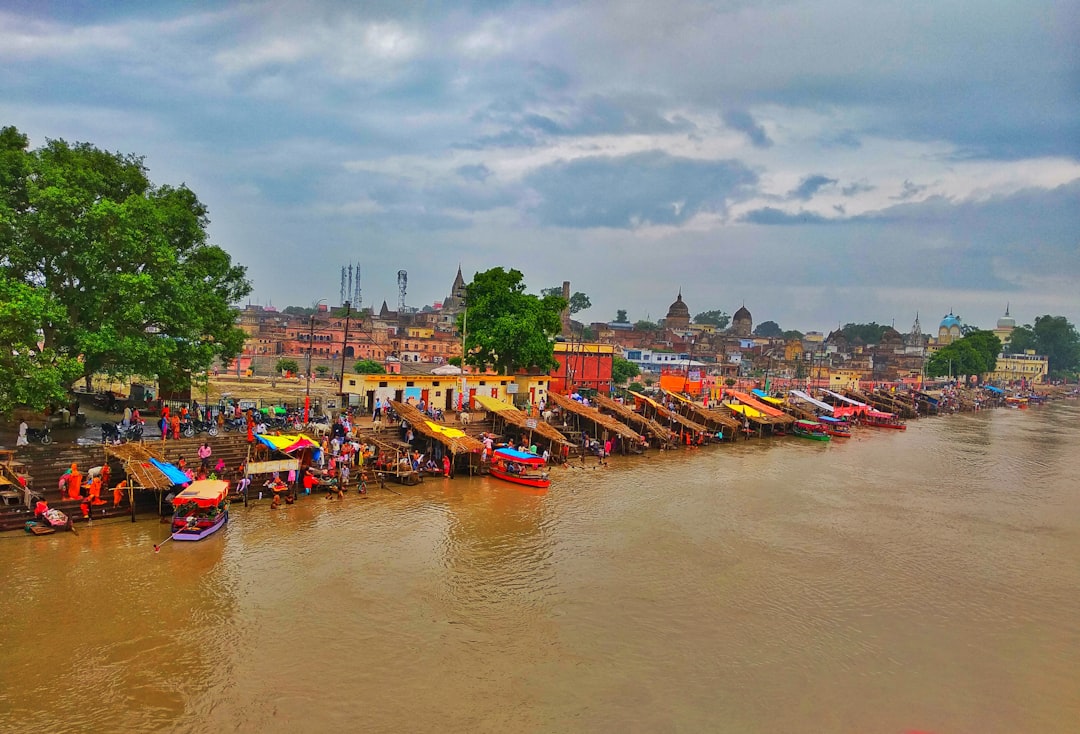
No visit to Ayodhya would be complete without understanding the role the Sarayu River plays in the city’s spiritual and physical landscape. In Hindu tradition, the Sarayu is not merely water; it’s a sacred entity believed to possess purifying properties and spiritual significance. Pilgrims consider bathing in the Sarayu to be an essential part of their journey to Ayodhya.
The ghats—the stepped embankments along the river—are where much of Ayodhya’s daily spiritual life unfolds. Each ghat has its own character and purpose. Some are bustling with activity throughout the day, filled with worshippers, flower sellers, and the sounds of devotional music. Others offer quieter spaces for meditation and contemplation. The Ram Ki Paidi ghat, believed to be the very spot where Rama took his final departure from the earthly realm, holds particular significance for many visitors.
Visiting the ghats during sunrise or sunset offers a particularly transcendent experience. As the sun illuminates the water and the light catches the temple spires in the distance, the entire scene seems to shimmer with spiritual significance. The morning aarti (ritual worship) at various ghats, accompanied by chanting and the lighting of lamps, creates an atmosphere of collective devotion that is difficult to forget.
For those interested in understanding Hindu philosophy and practice, observing the rituals performed at the ghats provides invaluable insights. These aren’t merely performances for tourists; they are authentic expressions of faith that have continued, often unchanged, for generations. Respectful observation and participation in these practices can deepen one’s appreciation for Ayodhya’s spiritual essence.
Ayodhya’s Historical Layers: Beyond Religious Narratives
While Ayodhya’s identity is primarily shaped by its religious significance, the city also possesses fascinating historical dimensions that appeal to those interested in archaeology, urban history, and cultural evolution. The excavations conducted at various sites have revealed evidence of settlements dating back to at least the 7th century BCE, suggesting that Ayodhya’s importance as an urban center predates even the legendary accounts found in ancient texts.
The city’s layout and architecture have been influenced by various dynasties and periods, from the Mauryan Empire through the medieval period and into the modern era. Different rulers contributed temples, structures, and urban planning elements that reflect the aesthetic and philosophical priorities of their times. Understanding these layers helps visitors grasp how sacred cities evolve and how multiple historical narratives can coexist within a single geographic space.
Museums and archaeological sites throughout Ayodhya offer opportunities to explore these historical dimensions. Artifacts, sculptures, and architectural fragments tell stories of how the city was understood and developed across different periods. For intellectually curious travelers, these resources provide context that enriches the spiritual experience.
Planning Your Visit: When and How to Experience Ayodhya
Visiting Ayodhya requires some practical planning to ensure a comfortable and meaningful experience. The city can be intensely crowded, particularly during major Hindu festivals like Ram Navami (Rama’s birthday) and Diwali. For those seeking a more intimate experience, visiting during the cooler months—October through March—offers a pleasant climate and, typically, more manageable crowds.
A stay at a well-appointed boutique hotel provides the perfect base for exploring Ayodhya’s temples and ghats. Such accommodations offer not only comfort and convenience but often provide curated experiences, knowledgeable guides, and a respite from the intensity of the pilgrimage experience. A good hotel becomes a sanctuary—a place to reflect on the day’s spiritual experiences and prepare for the next day’s exploration.
We recommend spending at least three to four days in Ayodhya to adequately explore the major temples, experience the ghats at different times of day, and absorb the city’s distinctive spiritual atmosphere. Hiring a knowledgeable local guide enriches the experience immeasurably, as they can explain architectural details, religious symbolism, and the stories behind various sites with an intimacy that independent exploration cannot match.
A City That Transforms All Who Visit
Ayodhya is ultimately a city of transformation. Whether you arrive as a devout pilgrim, a curious historian, or a traveler seeking authentic cultural experiences, the city works its subtle magic. The temples, the river, the crowds of devotees, and the unmistakable spiritual energy that permeates every street corner create an experience that lingers long after you depart.
In our modern world, places like Ayodhya offer something increasingly rare: spaces where humanity gathers to contemplate the eternal, to honor tradition, and to connect with something greater than themselves. Your journey to Ayodhya’s temples isn’t just a vacation—it’s an opportunity to witness faith in its most authentic form and to reflect on what truly matters. We would be honored to support your exploration of this remarkable destination.
Photo by Ayush Srivastava on Unsplash
Discover more from Ayodhya Journal
Subscribe to get the latest posts sent to your email.