

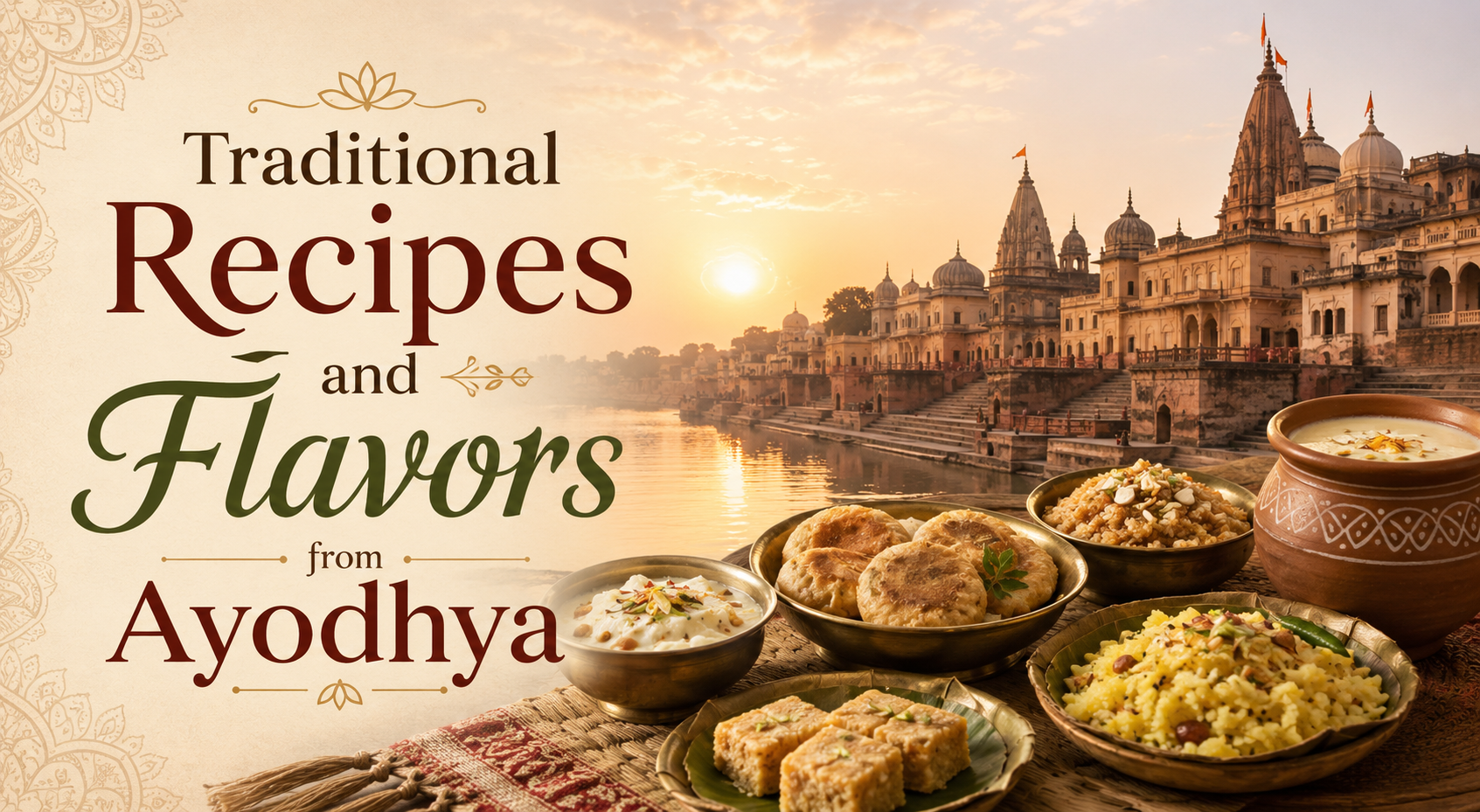
Traditional Recipes and Flavors from Ayodhya

A Culinary Journey Through Sacred Traditions
Nestled in the heart of Uttar Pradesh, Ayodhya is a city steeped in spiritual significance and cultural richness. While many visitors arrive with pilgrimage on their minds, few realize that this ancient city is also home to a remarkable culinary heritage—one that has been carefully preserved and passed down through generations. The traditional recipes of Ayodhya tell stories of devotion, community, and the region’s unique position at the crossroads of Indian cuisines. During your stay with us, we invite you to discover these flavors, many of which have graced royal courts and humble households alike for centuries.
Ayodhya’s food culture is deeply intertwined with its spiritual identity. Many dishes were originally created for religious festivals and celebrations, with ingredients selected not merely for taste but for their symbolic meaning. The kitchens of Ayodhya have long been spaces where ritual meets nourishment, where each meal carries the weight of tradition and the warmth of hospitality that defines the region. Whether you’re exploring these flavors in our dining spaces or learning about them through conversations with our culinary team, you’ll discover that eating in Ayodhya is never simply sustenance—it’s an experience rich with meaning.
The Foundation: Spices and Staple Ingredients
The soul of Ayodhyan cuisine lies in its masterful use of spices, each carefully selected and often ground fresh for maximum potency and flavor. Unlike the fiery heat associated with some Indian cuisines, Ayodhyan cooking strikes a delicate balance between warmth and subtlety. Cardamom, cloves, and bay leaves form the aromatic foundation of many dishes, while cumin and coriander provide earthiness and depth. What makes Ayodhyan spice blends distinctive is their restraint—every element serves a purpose, nothing overwhelms.
The region has long been an agricultural hub, which means that seasonal eating is embedded in its food culture. Fresh vegetables, lentils, and grains form the backbone of daily meals. Wheat, in particular, holds special significance; the flour ground from local wheat varieties is prized for its quality and flavor. Ghee, produced from the milk of local dairy herds, is used with a generous but purposeful hand. The simplicity of individual ingredients, when combined with skill and intention, creates layers of complexity that linger on the palate long after a meal has ended.
Sacred Sweets: Desserts with Spiritual Significance
Ayodhya’s dessert tradition is perhaps its most iconic culinary legacy. The sweets created here are not mere indulgences; many are considered offerings to the divine, prepared with ritualistic care and consumed during festivals and prayers. Among these, certain recipes have achieved legendary status, passed down through families and perfected over countless generations.
Barfi, in its many varieties, represents the pinnacle of Ayodhyan sweet-making. Milk barfi, made by laboriously reducing milk until it reaches a dense, fudgy consistency, requires patience and precision. The mixture must be stirred constantly to achieve the perfect texture—neither too soft nor too crumbly. Peda, another beloved sweet, is similarly made from condensed milk but with its own distinct character: denser, richer, and often infused with cardamom or pistachio. These sweets require not just culinary skill but an almost meditative focus, which is perhaps why they’re so often made as acts of devotion.
Kheer, a creamy rice pudding flavored with cardamom and decorated with nuts, is another cornerstone of Ayodhyan festive food. Made by simmering rice and lentils in milk for hours, this humble-sounding dish becomes something transcendent through slow cooking and the right proportions. During festivals, enormous quantities of kheer are prepared in temple kitchens and shared with devotees as blessed food—a tradition that continues to this day. Each spoonful carries the warmth of community and the sweetness of shared celebration.
Everyday Comfort: The Heart of Home Cooking
Beyond the special occasion foods, Ayodhyan home cooking represents something equally important: the quiet, profound comfort of dishes designed to nourish body and soul through ordinary days. These are the recipes that grandmothers teach their granddaughters, the dishes that smell like home and taste like belonging.
Dal, in its many forms, is perhaps the most essential of these everyday foods. Whether it’s simple moong dal with tempering of cumin seeds and dried chilies, or a more elaborate preparation with spinach or vegetables, dal appears at nearly every meal in Ayodhyan households. The skill lies not in complexity but in achieving the perfect consistency—thick enough to coat the rice but still creamy, flavored with ghee and spices that have been bloomed until fragrant. Roti or chapati, made fresh from stone-ground flour, is the companion to every meal, cooked on a hot griddle until it puffs with steam and develops soft brown spots.
Subzi, the vegetable preparations of Ayodhya, celebrate the region’s abundance. Potato and pea curry, made with tomatoes and a gentle hand with spices, is a staple. Seasonal vegetables—pumpkin, eggplant, okra—are each prepared according to time-honored methods that maximize their natural flavors. What distinguishes these preparations is their authenticity; there are no shortcuts, no modern substitutions. Vegetables are cut by hand to the proper size, spices are tempered just so, and the cooking happens at the right pace to achieve the desired result. This approach to cooking requires investment of time, but it yields rewards that convenience-focused cooking simply cannot match.
Breads and Rice: The Canvas for Flavor
In Ayodhya, bread and rice are far more than side dishes or vehicles for other foods. They are central to the meal, capable of standing on their own or elevating simple preparations into something memorable. The variety of breads produced in Ayodhyan kitchens is remarkable: beyond standard roti and chapati, there are stuffed parathas filled with spiced potatoes or lentils, crispy and flaky, each one cooked with individual attention.
Puri, the deep-fried bread, is reserved for celebrations and special breakfasts. Made from a simple dough of flour, water, and salt, the magic happens during the frying process. A perfectly made puri puffs dramatically when it hits hot oil, creating a hollow, tender bread with just the right amount of crispness. These are often served with curries and pickles during festival mornings, creating a breakfast experience that feels almost celebratory.
Rice preparations range from simple steamed rice to elaborate biryanis, though the latter are more reflective of broader Mughal influences than strictly Ayodhyan tradition. The rice commonly used in the region tends to be medium-grain, with a slightly sticky quality that makes it perfect for absorbing the flavors of accompanying curries. The approach to cooking rice is typically straightforward—measured water, measured grain, cooking until tender—which allows the inherent quality of the rice itself to shine through.
Seasonality and Celebration: Festivals Through Food
Ayodhya’s calendar is marked by festivals, and each one brings its own special foods. Ram Navami, celebrating the birth of Lord Rama, involves the preparation of elaborate meals and sweets. Diwali brings the production of countless varieties of mithai—sweets—which families exchange as tokens of affection and joy. Vivaha Panchami, marking the marriage of Rama and Sita, is celebrated with feasts that showcase the very best of regional cuisine.
What’s remarkable about these festival foods is how they’ve remained largely unchanged despite modernization around them. Recipes are guarded, techniques are demonstrated rather than written down, and the authenticity of preparation is considered paramount. To participate in an Ayodhyan festival, even as a visitor, is to step into a continuum of tradition stretching back centuries.
As you journey through Ayodhya, whether your visit is motivated by spiritual seeking, cultural curiosity, or simply the desire to experience something authentic, we encourage you to approach the local cuisine with the same reverence and openness that characterizes the city itself. These recipes and flavors are offerings—not just of nourishment, but of a way of understanding the world where food, faith, and community are inseparable. We look forward to sharing these treasures with you.
Discover more from Ayodhya Journal
Subscribe to get the latest posts sent to your email.