

Key Government Development Initiatives for Ayodhya in 2026

A City Transformed: Understanding Ayodhya’s Development Vision
Ayodhya stands at a remarkable crossroads. Once a city defined primarily by its profound spiritual significance, it is now experiencing unprecedented growth and transformation. The completion of the Ram Mandir in 2024 marked a symbolic turning point, but what comes next is equally compelling for those who understand the region’s potential. As we look toward 2026, several major government initiatives promise to reshape this ancient city into a modern pilgrimage and cultural destination while preserving the spiritual essence that makes it sacred to millions.
For travelers and those considering a visit, understanding these developments offers valuable context for what Ayodhya is becoming. Infrastructure improvements, heritage preservation projects, and tourism enhancements are combining to create an experience that honors tradition while embracing thoughtful progress. Whether you’re drawn by faith, history, or genuine curiosity about how cities evolve, the next chapter of Ayodhya’s story is worth following.
Infrastructure Development and Connectivity Projects
Perhaps the most visible transformation will come through infrastructure enhancement. The Ayodhya Development Authority is overseeing significant investments in road networks, public transportation, and utility systems designed to handle the dramatic increase in visitors and residents the city is experiencing. These aren’t flashy projects that make headlines, but they form the backbone of a well-functioning destination.
The state government has prioritized improving the approach roads leading into Ayodhya, with particular focus on the highways connecting to major cities. Enhanced connectivity means smoother journeys for visitors arriving from Delhi, Lucknow, or Varanasi. Additionally, there are plans for improved local transportation options, including better bus services and potential additions to the city’s vehicular infrastructure. These developments aim to reduce congestion while making it easier for visitors to move throughout the city and access peripheral attractions.
Water management and waste treatment systems are receiving equal attention. Modern cities require modern utilities, and Ayodhya’s planners understand that the city cannot sustain its growth without robust environmental infrastructure. Investment in treated water supply and waste management facilities ensures that rapid development doesn’t come at the cost of environmental degradation—a consideration increasingly important to conscious travelers.
Heritage Preservation and Cultural Conservation Efforts
While new development is necessary, preserving Ayodhya’s rich heritage is equally crucial. The government has initiated comprehensive programs to protect and restore historically significant sites throughout the city. This includes not just the Ram Mandir itself, but also the numerous temples, monuments, and archaeological sites that tell the story of centuries past.
One particularly noteworthy initiative involves the systematic documentation and restoration of temples and heritage structures across Ayodhya. The Archaeological Survey of India, in coordination with state authorities, is working to catalog, preserve, and where necessary, carefully restore structures that have stood for generations. This work honors the architectural traditions and spiritual heritage that define the city while making these spaces accessible and meaningful to contemporary visitors.
There’s also a focus on creating heritage interpretation centers and museums that provide context for what visitors see. Rather than simply encountering ancient structures, travelers will increasingly have access to well-researched, thoughtfully presented information about Ayodhya’s history, significance, and cultural traditions. These educational efforts help foster genuine understanding and appreciation rather than superficial tourism.
Smart City Initiatives and Digital Infrastructure
Ayodhya has been designated as one of India’s Smart Cities, which means investment in digital infrastructure and technology-enabled civic services. While “smart city” can sound abstract, the practical implications are significant for visitors and residents alike. These initiatives include better public WiFi, digital payment systems across the city, smart traffic management, and integrated visitor information systems.
The government is implementing systems to better manage visitor flows, particularly around major religious sites. Real-time crowd management technology, mobile applications for booking temple visits, and digital wayfinding help ensure that the experience remains meaningful rather than overwhelming. These technological improvements work in service of the human experience rather than detracting from the spiritual atmosphere that makes Ayodhya special.
Digital initiatives also extend to accessibility and transparency. Better online information about accommodations, dining, services, and attractions helps visitors plan their experiences more effectively. For a destination that serves both pilgrims and heritage tourists, having clear, reliable information available in multiple languages and formats is essential.
Tourism Infrastructure and Visitor Experience Enhancements
The influx of visitors to Ayodhya has highlighted the need for improved tourism infrastructure. The government’s initiatives in this area focus on creating a thoughtful visitor experience that serves different types of travelers. This includes development of hospitality zones, improved signage and wayfinding, better parking facilities, and enhanced public spaces where visitors can rest, reflect, and appreciate their surroundings.
Investment in guest houses, hotels, and accommodation options of varying standards ensures that visitors with different preferences and budgets can find suitable lodging. The emphasis extends beyond mere capacity to quality—encouraging developments that complement rather than overwhelm the character of the city. This balanced approach to tourism infrastructure is what distinguishes sustainable development from unchecked commercialization.
Public spaces are also being reimagined. Parks, seating areas, and pedestrian zones are being developed to provide peaceful respite and opportunities for visitors to experience the city at a human pace. These spaces serve both residents and travelers, creating a city that functions well for everyone, not just those passing through.
Spiritual and Religious Site Development Programs
Beyond the magnificent Ram Mandir itself, there are broader initiatives to develop the spiritual landscape of Ayodhya. The government is working on projects that honor the city’s religious significance while improving access and facilities for pilgrims. This includes renovation of ghats along the Saryu River, development of spiritual centers, and creation of spaces designed for meditation and contemplation.
The Saryu riverfront, in particular, is receiving attention as both a spiritual and recreational space. Improved ghats and riverside areas create spaces where pilgrims can perform rituals while also providing beautiful natural environments for all visitors to appreciate. The river has always been central to Ayodhya’s spiritual identity, and these developments recognize that importance while making these spaces more functional and welcoming.
There are also ongoing efforts to research and preserve the religious traditions, ceremonies, and practices that have defined Ayodhya for centuries. This cultural documentation ensures that even as the city modernizes, the authentic spiritual heart that has drawn pilgrims for generations remains protected and celebrated.
Looking Forward: A Balanced Path Forward
What’s striking about Ayodhya’s development initiatives is the apparent commitment to balancing growth with preservation, modernization with tradition. The city faces the profound challenge of serving millions of visitors while maintaining the spiritual integrity that makes it sacred. The government initiatives outlined for 2026 suggest serious effort to meet that challenge thoughtfully.
For those of us in hospitality, we recognize that travelers increasingly seek authentic experiences in places that are themselves evolving and dynamic. Ayodhya offers exactly that—a destination where ancient traditions meet contemporary development, where spirituality remains central even as infrastructure modernizes. The initiatives underway represent not a transformation into something entirely new, but rather the careful stewarding of something precious into a new era. That’s a story worth witnessing firsthand, and it’s why the coming years promise to make Ayodhya an increasingly compelling destination for thoughtful travelers from around the world.
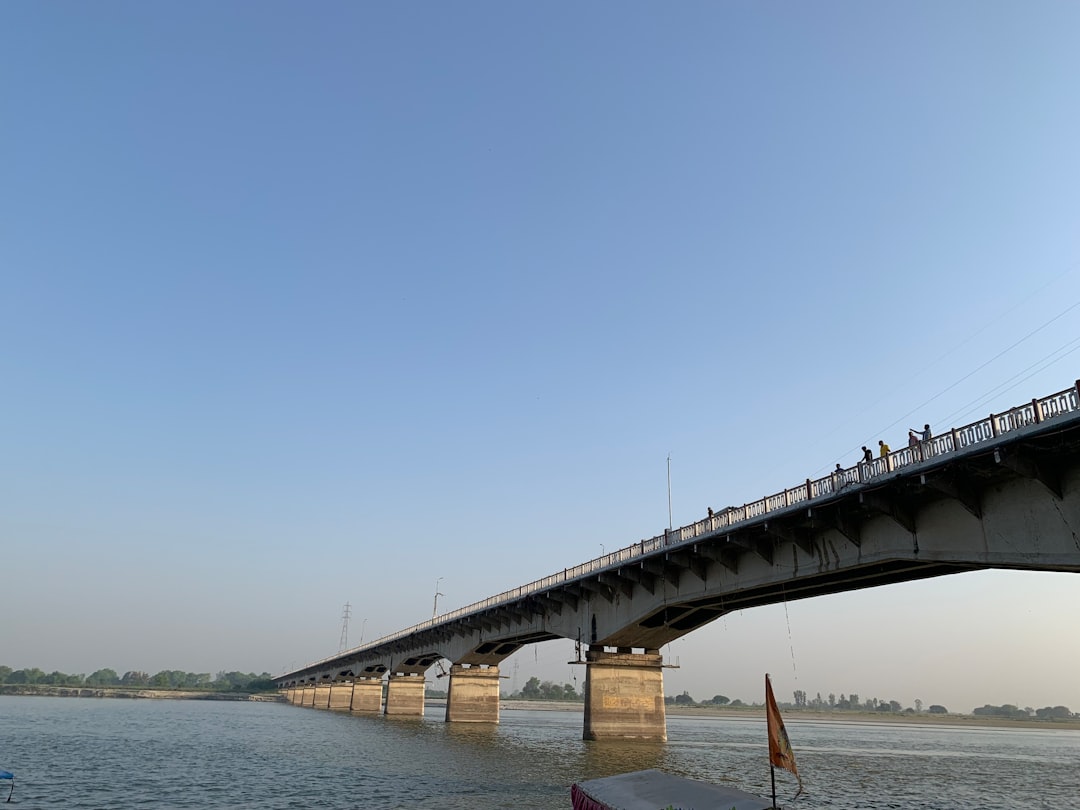
Photo by Rahul Karyal on Unsplash
Discover more from Ayodhya Journal
Subscribe to get the latest posts sent to your email.