

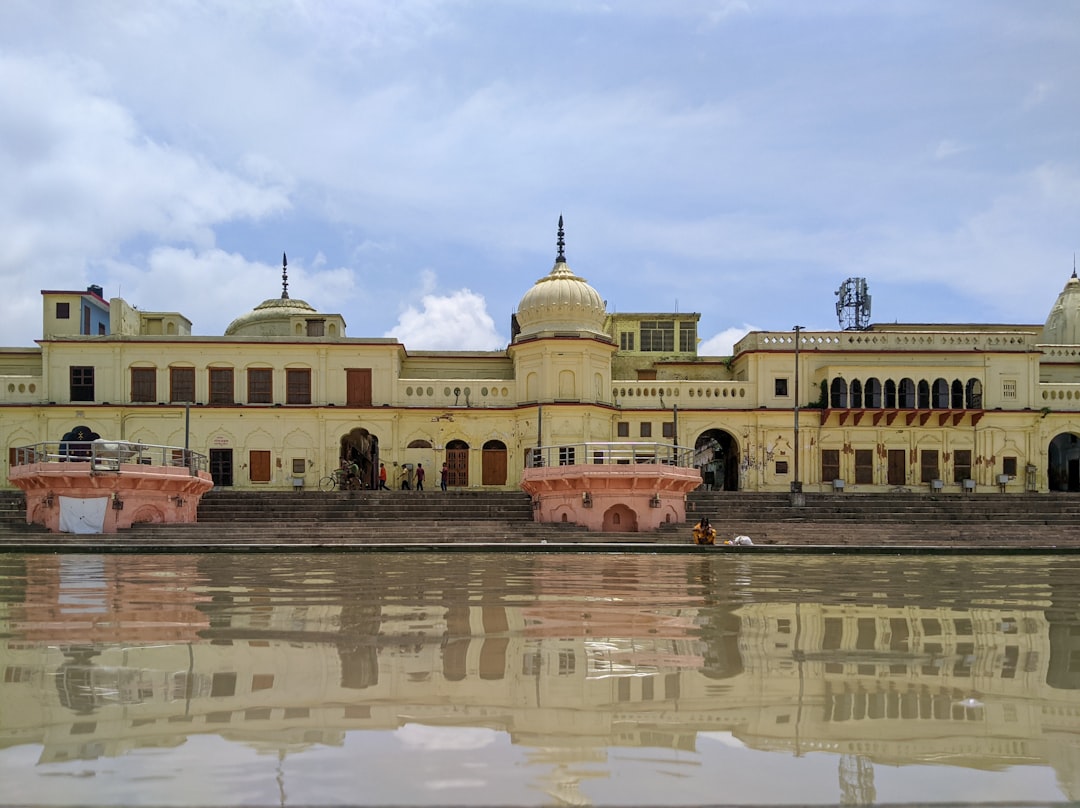
Off-Beat Destinations to Visit Around Ayodhya

Beyond the Sacred: Discovering Hidden Gems Near Ayodhya
Ayodhya, the ancient city steeped in mythology and devotion, draws pilgrims and travelers from across the globe. Yet while many visitors focus solely on the spiritual heart of this remarkable destination, the surrounding region offers a treasure trove of lesser-known experiences that reveal layers of history, culture, and natural beauty. If you’re planning an extended stay in this part of Uttar Pradesh, we encourage you to venture beyond the main temples and explore the quieter, equally enchanting corners that locals have cherished for generations.
The landscape around Ayodhya tells stories that predate written history. Each destination we’ve curated below offers something distinct—whether it’s architectural marvels, serene natural escapes, or intimate glimpses into rural Indian life. These are the places where you can truly slow down, connect with the region’s soul, and create memories that linger long after you’ve returned home.
Nandigram: The Realm of Divine Governance
Just 50 kilometers from Ayodhya lies Nandigram, a site of profound spiritual significance often overshadowed by its more famous neighbor. This small town holds deep roots in the Ramayana, believed to be the capital established by Lord Ram during his early reign. What makes Nandigram particularly special is its quietness—you’ll find fewer crowds, more authentic interactions with local communities, and a genuine sense of timelessness.
The primary attraction is the Kanak Bhawan (Golden Palace), an exquisitely crafted temple complex that reflects classical North Indian architecture. The craftsmanship is remarkable, with intricate stone carvings and a serene sanctum that invites introspection. Beyond the temple, Nandigram offers an opportunity to experience the rhythm of small-town India. Local artisans here create traditional handicrafts, and if you’re willing to engage, you’ll discover stories of families who’ve practiced their crafts for centuries.
We recommend visiting Nandigram in the early morning or late afternoon when the light is soft and the atmosphere is most contemplative. The surrounding gardens and quiet lanes are perfect for unhurried walks. If you’re a photography enthusiast, the architectural details and the genuine expressions of devotion you’ll witness here provide compelling subject matter—far more authentic than what you’ll find at heavily trafficked sites.
Guptar Ghat: Nature’s Whispers Along the Saryu
For those seeking tranquility and natural beauty, Guptar Ghat presents an entirely different facet of the Ayodhya region. Located along the Saryu River, this relatively undiscovered spot is believed to be where Lord Ram took samadhi, leaving the mortal world. Whether or not you’re drawn by the spiritual aspect, the natural setting is undeniably peaceful.
The ghat is characterized by dense forests that meet the river’s edge, creating an ecosystem that feels almost untouched by time. The river itself moves gently here, creating pools that reflect the sky and surrounding trees in mirror-like perfection. Early mornings are magical—mist rises from the water, birds sing from the canopy above, and you’ll often have the place largely to yourself.
This is an ideal destination for those interested in birdwatching, nature photography, or simply sitting in contemplative silence. The local boatmen, usually friendly and knowledgeable, can share fascinating insights about the river’s ecology and the stories embedded in this landscape. We suggest spending at least a few hours here, perhaps bringing a journal or a book you’ve been meaning to finish. The gentle lapping of water against the banks provides the perfect soundtrack for reflection.
Saryu Upstream Trail: A Journey Through Living History
While Ayodhya itself sits along the Saryu River, few visitors explore the river’s upstream stretches, where small villages and archaeological sites reveal layers of settlement spanning millennia. A guided journey along this route offers insights into how human civilization has adapted to and thrived along this sacred waterway.
Several villages along the upstream section maintain traditional ways of living. You’ll encounter farmers using age-old irrigation methods, women engaged in natural dyeing practices, and communities that have preserved customs passed down through countless generations. These aren’t tourist attractions in the conventional sense—they’re simply places where life continues much as it has for centuries.
The archaeological significance of this region cannot be overstated. Excavations have revealed pottery shards, tools, and structural remnants dating back thousands of years. While major excavations are typically conducted during specific seasons and with proper permissions, traveling through these areas with a knowledgeable local guide allows you to understand the historical layers beneath your feet.
We recommend organizing this journey through your hotel’s concierge, who can arrange for an experienced guide familiar with the region’s history and current archaeological work. The best time to undertake this journey is during cooler months when the river levels are manageable and the weather permits comfortable travel.
Tulsi Manas Temple and Its Environs: Literary Heritage Comes Alive
While the famous Tulsi Manas Temple is located in Varanasi, there are several lesser-known shrines and study centers throughout the Ayodhya region dedicated to Goswami Tulsidas, the 16th-century poet-saint who composed the Hindi Ramayana. Exploring these sites offers a fascinating intersection of spirituality, literature, and cultural history.
These temples and centers provide access to manuscripts, translations, and scholarly interpretations of Tulsidas’ work. For literature enthusiasts, this is genuinely thrilling—you’re encountering the textual roots of a tradition that has shaped Indian cultural consciousness for over 400 years. Many of these locations offer quiet reading spaces where you can sit with translations of the Ramcharitmanas and understand how this epic has been interpreted and internalized across different eras.
The caretakers and scholars at these sites are often eager to discuss the nuances of Tulsidas’ philosophy and his contributions to vernacular literature. These conversations reveal how devotional literature functioned as a democratizing force in medieval India, making sacred narratives accessible to common people beyond the Sanskrit-reading elite.
The Villages of Chitrakoot District: Artisan Communities and Authentic Encounters
Extending your exploration into the neighboring Chitrakoot district opens access to villages renowned for specific crafts—pottery, weaving, and traditional painting. These communities have largely escaped the homogenizing effects of mass tourism, and visiting them feels like stepping into a world where time moves differently.
In pottery villages, you can watch artisans at their wheels, creating everything from utilitarian vessels to intricate ceremonial pieces using techniques passed through families for generations. Weaving communities produce textiles with natural dyes and traditional patterns that tell stories through their designs. These aren’t performances for tourists—they’re the genuine work that sustains these communities.
Purchasing directly from artisans here means your money goes directly to the people whose skills and creativity produced what you’re buying. Beyond the transaction, you’re creating a human connection and supporting the continuance of traditions that might otherwise fade. Many artisans are delighted to explain their techniques, show you their materials, and share stories about how they learned their craft from parents and grandparents.
A Slower Way to Explore
Traveling to these off-beat destinations around Ayodhya requires a different approach than traditional sightseeing. We encourage you to allocate extra time, build flexibility into your itinerary, and prioritize depth of experience over breadth of coverage. A single afternoon spent truly present in one location often yields richer memories and deeper understanding than racing through multiple sites.
These quieter corners of the Ayodhya region reward the curious, the patient, and the open-minded. They’re places where conversations happen naturally, where you notice details you might otherwise miss, and where the spiritual dimension of travel reveals itself not through grand temples but through connections with people, landscapes, and the layered history beneath your feet. We hope you’ll venture beyond the obvious and discover your own hidden moments in this remarkable region.
Photo by Shivam Tiwari on Unsplash
Discover more from Ayodhya Journal
Subscribe to get the latest posts sent to your email.