

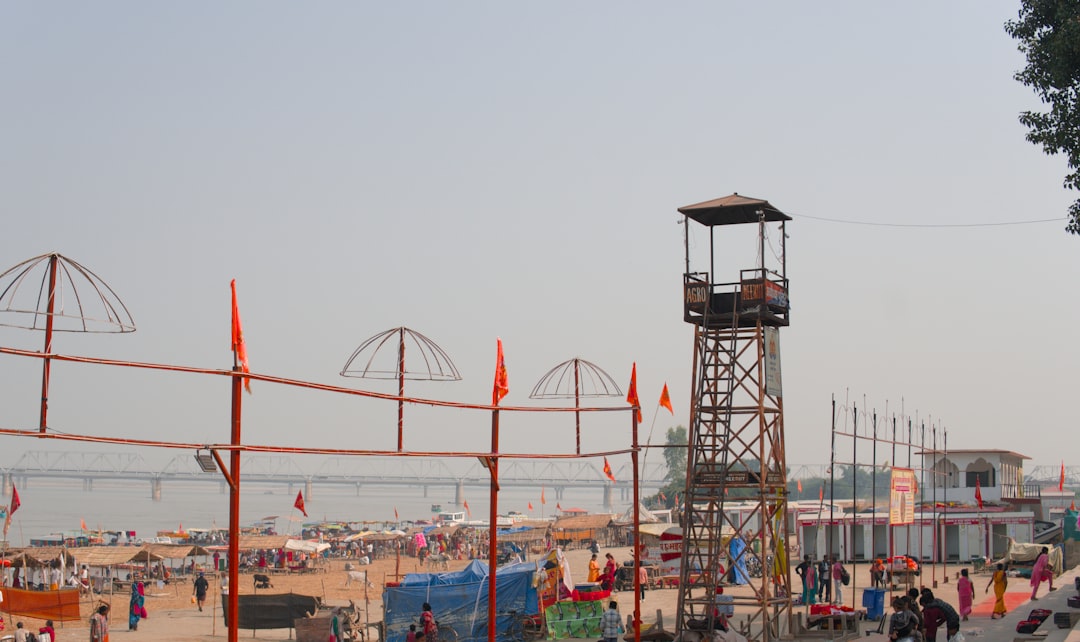
Recent Infrastructure Developments and Progress in Ayodhya

A City Transformed: Ayodhya’s Modern Renaissance
There’s something deeply moving about witnessing a place you hold dear undergo profound transformation. For those of us who work in hospitality and have come to know Ayodhya intimately, the past few years have been nothing short of remarkable. This ancient city, steeped in millennia of history and spiritual significance, is experiencing a renaissance that honors its past while carefully embracing the future. The infrastructure developments unfolding here aren’t simply about concrete and steel—they represent a thoughtful reimagining of how a sacred destination can evolve while remaining true to its soul.
As a boutique hotel nestled in this vibrant city, we’ve had a front-row seat to these transformations. We’ve watched as new roads have connected neighborhoods that were previously isolated, observed the careful restoration of heritage sites, and seen how improved facilities are making it possible for more visitors to experience Ayodhya’s unique spiritual and cultural offerings. We thought it would be worthwhile to share some of these developments with our guests and followers—both those planning their first visit and those who return to us year after year.
Enhanced Connectivity: New Roads and Transportation Networks
Perhaps the most visible change in Ayodhya over recent years has been the dramatic improvement in road infrastructure. The city is now served by several well-maintained highways that have transformed what were once challenging journeys into comfortable, efficient commutes. The new highway connecting Ayodhya to Lucknow, the state capital, has been particularly significant, reducing travel time considerably and making the city far more accessible to travelers arriving from across India.
But it’s not just about major highways. Within the city itself, a network of well-paved roads has been developed, making navigation easier for both residents and visitors. These roads have been designed with an appreciation for the city’s character—they’re functional without being intrusive, modern without being jarring. When you’re traveling through Ayodhya’s streets now, you notice the improvement in surface quality, the better drainage systems, and the thoughtful street lighting that adds both safety and a pleasant ambiance during evening hours.
The development of better transportation infrastructure has also meant that local businesses, including our own hospitality sector, can operate more efficiently. Suppliers can reach us more reliably, guests can arrive with fewer complications, and the flow of daily life feels less constrained. For a city whose economy has traditionally relied on pilgrimage and cultural tourism, these improvements are foundational.
Sacred Spaces Enhanced: The Ram Mandir and Surrounding Development
Of course, no discussion of Ayodhya’s recent developments would be complete without addressing the elephant in the room—or rather, the magnificent temple that has become the focal point of the city’s transformation. The completion of the new Ram Mandir and its surrounding complex represents not just a religious milestone, but a significant infrastructure achievement. The temple itself, with its intricate architecture and vast courtyards, required enormous coordination and planning.
What’s particularly noteworthy from a hospitality perspective is how the development around the temple has been approached with genuine care. Pilgrimage pathways have been widened and improved, creating safer and more comfortable routes for the millions of visitors who come each year. New facilities—rest areas, water stations, and sanitation infrastructure—have been added thoughtfully. The temple complex itself incorporates modern amenities while maintaining the sacred atmosphere that makes Ayodhya special.
The ripple effects of this development have touched the entire city. New accommodations have been built, existing properties like ours have been motivated to enhance our facilities, and there’s been a concerted effort to ensure that infrastructure keeps pace with visitor numbers. The challenge, of course, is managing growth without allowing it to overwhelm the spiritual essence of the place, and we’ve been impressed by the dedication of city planners and local authorities to strike this balance.
Public Amenities and Urban Development: Creating a Welcoming City
Beyond the major attractions, Ayodhya has invested substantially in public amenities that benefit residents and visitors alike. New parks and public spaces have been created, offering respite from the heat and places for peaceful reflection. These aren’t merely functional spaces; they’ve been landscaped with consideration for the city’s aesthetic character, featuring native plants and designs that echo traditional motifs.
Water supply and sewage infrastructure have been significantly upgraded, which might sound like an unglamorous detail but is absolutely crucial for a city receiving increased visitor traffic. Modern waste management systems have been implemented to handle the increased load while minimizing environmental impact. Healthcare facilities have been expanded, with new clinics and medical centers established in areas that previously had limited access to medical services.
The development of a proper visitor information center and improved signage throughout the city has made navigation considerably easier for first-time visitors. These might seem like small touches, but they genuinely enhance the experience of exploring Ayodhya. There’s less frustration, more confidence, and visitors can focus on the beauty and spirituality of their experience rather than on logistical challenges.
Digital Infrastructure and Modern Services
One of the quieter but significant developments has been the expansion of digital infrastructure throughout Ayodhya. Reliable internet connectivity, which was once spotty in many areas, has been substantially improved. This has enabled local businesses to operate more effectively and allows visitors to stay connected while still enjoying the contemplative atmosphere the city offers.
Payment systems have modernized as well. While Ayodhya maintains its traditional character, digital payment options are now widely available, making transactions seamless for both domestic and international visitors. Mobile services have improved dramatically, and there’s been investment in digital systems that make accessing information about attractions, accommodations, and services far more convenient.
For those of us in the hospitality business, these developments have been transformative. We can now offer our guests the connectivity they expect while maintaining the peaceful, unhurried atmosphere that makes a boutique hotel experience special. We can manage reservations more efficiently, communicate with guests more effectively, and provide information that helps them make the most of their stay.
Environmental Consciousness and Sustainable Growth
What’s perhaps most encouraging is that Ayodhya’s development hasn’t been pursued in a vacuum, disconnected from environmental considerations. There’s been genuine effort to balance growth with preservation. The Saryu River, which is central to the city’s spiritual identity and historical significance, has been a focal point of environmental initiatives. River cleanup projects, improved water quality monitoring, and conservation efforts reflect a commitment to preserving this vital natural resource.
Green spaces have been prioritized in urban planning, and there’s been emphasis on sustainable building practices. As a boutique hotel, we’re personally committed to these principles—it feels essential when operating in a place as spiritually significant as Ayodhya. We’ve implemented water conservation measures, invested in renewable energy where possible, and worked to minimize our environmental footprint. It’s heartening to see these values reflected at a city-wide level as well.
Looking Forward with Gratitude
The infrastructure developments happening in Ayodhya represent something beautiful: a place honoring its profound spiritual and historical significance while carefully, thoughtfully preparing itself for an expanded role in India’s cultural and religious landscape. These aren’t haphazard changes, but rather a coordinated effort to welcome visitors, serve residents, and preserve what makes Ayodhya unique.
For those of us working in hospitality here, it’s an exciting time. We’re witnessing our city evolve and improve in ways that make our work easier and our guests’ experiences richer. Whether you’re planning your first pilgrimage to Ayodhya or returning to experience these changes yourself, we invite you to see firsthand how this remarkable city is thoughtfully building its future. We look forward to welcoming you and sharing in the beauty of Ayodhya during this transformative chapter of its long and storied history.
Photo by Harsh Khandelwal on Unsplash
Discover more from Ayodhya Journal
Subscribe to get the latest posts sent to your email.