

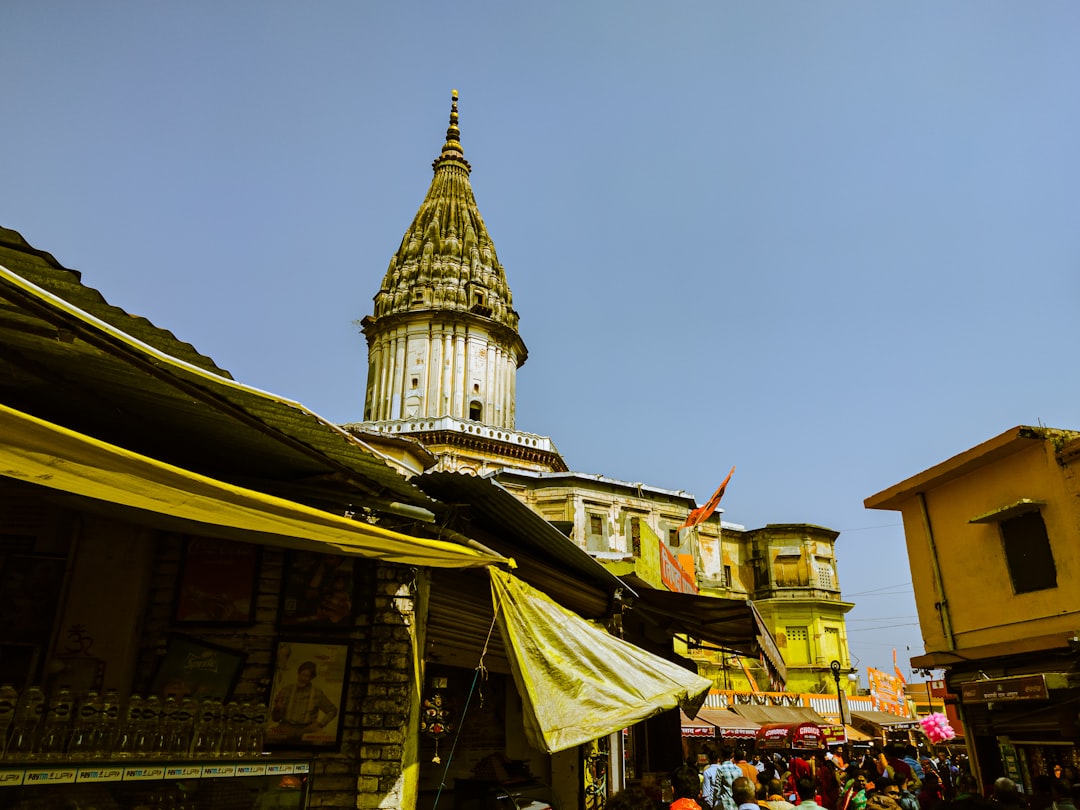
Exploring the Rich Heritage Properties of Ayodhya

A Sacred Tapestry Woven Through Time
Ayodhya, one of India’s most spiritually significant cities, stands as a living testament to millennia of devotion, architectural brilliance, and cultural continuity. Nestled along the banks of the Sarayu River in Uttar Pradesh, this ancient city has captivated pilgrims and travelers for countless generations. For those seeking to understand the soul of India, a journey through Ayodhya’s heritage properties offers an intimate glimpse into traditions that have shaped the subcontinent’s spiritual and cultural landscape.
The city’s prominence in Hindu tradition is perhaps unparalleled. According to ancient texts, Ayodhya was the birthplace of Lord Rama, the seventh incarnation of Vishnu, and the capital of the Kosala kingdom during the Ramayana era. This spiritual significance has endured through ages, making Ayodhya a destination where history, mythology, and living faith converge in remarkable ways. The recent developments in the city, including the magnificent Ram Mandir, have renewed global interest in this sacred geography, yet the true richness of Ayodhya lies in exploring the layered heritage that extends far beyond any single monument.
The Grandeur of Ram Mandir: India’s Most Anticipated Monument
The newly consecrated Ram Mandir stands as the crowning jewel of Ayodhya’s spiritual landscape. This architectural marvel, completed in 2024, represents one of the largest Hindu temples ever constructed, with its soaring spires and intricate stone carvings visible from across the city. The temple’s design draws inspiration from classical Nagara architecture, incorporating elements from ancient Sanskrit texts and temple-building traditions that span centuries.
What makes the Ram Mandir particularly compelling is not merely its scale, but the meticulous craftsmanship evident in every detail. Master artisans have carved over two thousand stone sculptures depicting scenes from the Ramayana, the Mahabharata, and the life of Lord Rama. The main sanctum houses a stunning black granite idol of Rama, carved with remarkable sensitivity and devotion. For visitors, the temple offers a profound spiritual experience while simultaneously serving as a living textbook of Hindu iconography and architectural principles.
The temple’s surroundings have been thoughtfully developed to accommodate pilgrims and visitors respectfully. Beautifully landscaped gardens, carefully designed access routes, and modern facilities blend seamlessly with the sacred atmosphere. The evening aarti, or prayer ritual, conducted with traditional fervor, provides visitors with an authentic glimpse into living Hindu spiritual practices. The experience of witnessing thousands of devotees gathered in prayer, the fragrance of flowers and incense, and the resonant chanting creates moments of genuine transcendence.
Exploring Kanak Bhawan and the Domestic Sacred
While the Ram Mandir captures international attention, the smaller but equally significant heritage sites offer more intimate encounters with Ayodhya’s spiritual essence. Kanak Bhawan, believed to be the palace where Rama and Sita spent their early married life, presents a fascinating study in domestic sacred architecture. Built during the reign of Maharaja Vikramaditya Singh, this temple complex showcases the region’s traditional architectural style with its distinctive courtyards, ornate pillars, and intimate prayer spaces.
Kanak Bhawan’s appeal lies in its accessibility and the personal connection visitors feel within its walls. Unlike larger temples, this site encourages a contemplative approach. The inner sanctum contains idols of Rama and Sita in household settings, a representation that resonates with the Hindu concept of divinity manifest in domestic life. The temple’s design incorporates multiple courtyards and prayer rooms, each serving specific functions during festivals and daily worship.
The temple becomes particularly magical during celebrations like Diwali and Ram Navami, when it is illuminated with thousands of oil lamps and decorated with flowers. During these times, the atmosphere shifts from serene contemplation to joyous celebration, offering visitors the opportunity to participate in festivities that have been observed here for generations. The personal warmth extended by the temple authorities to visitors creates an experience far removed from typical tourist circuits.
The Sarayu River: Ayodhya’s Spiritual Waterway
No exploration of Ayodhya’s heritage is complete without acknowledging the central role of the Sarayu River. This river, considered sacred in Hindu tradition, has been the lifeblood of Ayodhya since ancient times. The recent development of the Sarayu Riverfront has transformed the banks into a stunning promenade while maintaining the site’s spiritual significance.
The Sarayu Riverfront stretches for several kilometers, featuring beautifully designed ghats, or steps, descending to the water. These ghats serve both practical and spiritual purposes—pilgrims perform ritual bathing and offer prayers, while visitors can simply sit by the water and absorb the timeless atmosphere. The riverside at dawn presents an unforgettable scene: mist rising from the water, devotees performing yoga and meditation, and the first rays of sun illuminating the temples visible from the banks.
The development has been executed with remarkable sensitivity, preserving the natural beauty of the river while incorporating modern amenities. Boat rides along the Sarayu offer perspectives of the city’s spiritual geography that cannot be experienced from land. Sunset boat rides prove particularly enchanting, as the golden light bathes the temples and ghats in warm hues, while the sound of evening prayers drifts across the water. These simple yet profound experiences often become the most cherished memories of a visit to Ayodhya.
Heritage Beyond the Temples: Ayodhya’s Archaeological and Cultural Landscape
While religious sites draw most visitors, Ayodhya’s broader heritage encompasses archaeological sites and cultural institutions that provide context to the city’s historical significance. The Ayodhya Research Institute and various excavation sites have yielded artifacts and evidence that illuminate the city’s occupation across different periods, from the early Iron Age through medieval times.
The city museum, though modest in scale, houses fascinating collections including pottery, sculptures, and coins from various historical periods. These artifacts tell the story of Ayodhya not merely as a religious center, but as a thriving urban settlement with significant trade connections and cultural exchanges. The presence of artifacts indicating trade with Central Asia and Southeast Asia reveals Ayodhya’s historical importance as a cosmopolitan hub.
The archaeological narrative of Ayodhya has been subject to scholarly debate, but the evidence suggests continuous human settlement and urban development spanning many centuries. For culturally curious visitors, exploring these historical layers alongside the active spiritual sites provides a more comprehensive understanding of the city’s complexity. Local guides knowledgeable about both archaeology and tradition can illuminate these connections, making visits to heritage sites educational journeys into India’s past.
The Rhythm of Festival Life in Ayodhya
To truly understand Ayodhya, one must appreciate how its heritage properties come alive during festivals and significant dates in the Hindu calendar. Ram Navami, celebrating Rama’s birth, transforms the entire city into a celebration of devotion. The month of Kartik, when Diwali falls, sees elaborate illuminations and festivities that create an almost magical atmosphere.
The first consecration of the Ram Mandir in January 2024 demonstrated the city’s capacity to host monumental celebrations, with millions of visitors converging to witness this historic moment. Yet even smaller festivals and regular observances carry deep significance. The daily aarti ceremonies, morning prayers, and regular pujas create a rhythm of sacred activity that visitors can experience throughout the year.
Participating in festivals or even simple daily rituals provides insights that no guidebook can convey. The sense of community among devotees, the careful execution of rituals passed down through generations, and the evident joy in celebrating shared faith offer visitors a window into living Hindu tradition. These experiences often touch visitors in unexpected ways, transcending religious boundaries and creating connections based on shared human values of devotion and community.
Planning Your Journey Through Ayodhya’s Sacred Heritage
Visiting Ayodhya requires more than logistical planning; it benefits from an openness to the spiritual atmosphere that permeates the city. Accommodations at a thoughtfully designed boutique hotel can enhance the experience considerably, offering a peaceful retreat from which to explore the city’s sites at a contemplative pace. Stays during festivals offer maximum atmosphere but require advance planning, while visits during quieter periods allow for more personal interactions with local communities and deeper engagement with heritage sites.
The best experiences of Ayodhya’s heritage often come through patient observation and genuine curiosity. Taking time to sit by the river at dawn, attending an evening prayer ceremony, conversing with pilgrims and local guides, and simply absorbing the atmosphere often prove more valuable than rushing through a checklist of sites. The city’s true richness lies not in any single monument, but in the cumulative experience of moving through spaces where millions have sought spiritual connection across centuries.
Ayodhya represents a rare opportunity to engage with living heritage—sites that are not relics of the past but vibrant centers of faith and practice. Whether you approach from a spiritual perspective, historical interest, or cultural curiosity, the city offers profound experiences that linger long after departure. We invite you to discover Ayodhya’s treasures at your own pace, allowing the city’s ancient rhythms and contemporary vitality to create a journey uniquely your own.
Photo by Omkar Patil on Unsplash
Discover more from Ayodhya Journal
Subscribe to get the latest posts sent to your email.