

Daily Devotional Practices and Rituals in Ayodhya

The Sacred Rhythm of Ayodhya’s Spiritual Life
Ayodhya, one of India’s most revered pilgrimage destinations, pulses with a spiritual rhythm that has remained largely unchanged for centuries. This ancient city, believed to be the birthplace of Lord Rama, draws countless devotees who come not merely as visitors but as seekers embarking on deeply personal journeys of faith and introspection. For those fortunate enough to spend time here, whether passing through or settling in for an extended stay, the daily devotional practices and rituals that animate Ayodhya offer a window into a profound spiritual tradition that continues to shape the lives of millions.
The spiritual essence of Ayodhya is most palpable during the quiet hours of dawn, when the city seems to exist in a sacred space between sleep and wakefulness. It is during these moments that one truly understands why this place has captivated the hearts of pilgrims and seekers for generations. The devotional practices observed here are not mere religious ceremonies performed out of obligation, but rather expressions of a living faith that breathes vitality into every corner of the city.
Morning Rituals: When Twilight Meets the Divine
In Ayodhya, the day begins long before sunrise, when the air is cool and the streets still quiet. This is the time of Brahma Muhurta, a sacred window believed to be the most auspicious for meditation and prayer. Devout visitors and local residents alike rise before dawn to prepare themselves—bathing in the waters of the Saryu River, which flows through the heart of the city like a sacred artery connecting the mortal and divine worlds.
The Saryu holds immense significance in Ayodhyan spirituality. Its waters are not merely physical; they are believed to carry the blessings of generations of prayers offered upon its banks. Pilgrims wade into the river with a reverence typically reserved for entering a temple, often reciting mantras or chanting devotional songs as the water touches their skin. The experience is both intimate and communal—strangers united by faith, each absorbed in their own spiritual practice yet part of a larger tapestry of devotion.
Following their ritual bath, devotees make their way toward the temples, their damp clothes clinging to their bodies as they walk through awakening streets. Many pause to offer prayers at smaller shrines encountered along the way, for in Ayodhya, the entire landscape feels sanctified. By the time the first light breaks across the horizon, the temples are already humming with activity, their bells echoing through the city in a resonant call to prayer and remembrance.
Temple Worship: The Architecture of Devotion
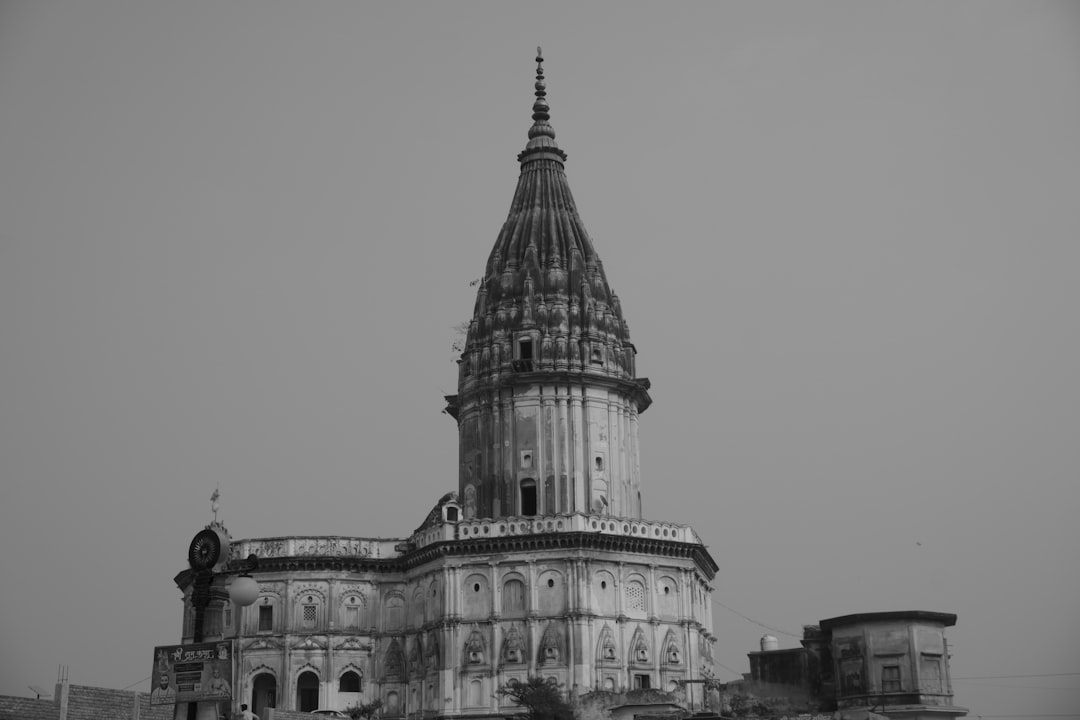
The temples of Ayodhya are not merely places of worship; they are embodiments of devotional architecture, each stone and spire carefully positioned to direct the human heart toward the transcendent. The Ram Mandir, with its recently completed grand structure, stands as a testament to this principle—a magnificent space designed not merely to impress but to inspire genuine spiritual awakening.
Daily worship in Ayodhyan temples follows an ancient rhythmic pattern known as the Puja schedule. These are not abbreviated ceremonies squeezed into busy mornings, but rather elaborate rituals that can extend for several hours. The Mangala Aarti, the first and most significant prayer of the day, typically occurs in the pre-dawn hours and involves the ceremonial lighting of oil lamps before the deity. The priest, or Pujari, performs precise movements honed through years of practice, each gesture laden with symbolic meaning.
As devotees witness these rituals, many find themselves drawn into a meditative state. The rhythmic chanting of Sanskrit verses, the fragrance of incense curling through the temple air, the visual beauty of flower offerings arranged before the altar—all these elements work in concert to create an experience that transcends the merely ceremonial. Visitors often describe a sense of timelessness, of being held within a sacred moment that feels both ancient and immediate.
Throughout the day, the temples continue their service with regularly scheduled prayers. The Madhyahna Puja occurs around midday, while the Sandhya Aarti takes place at dusk, marking the transition from day to night. Each of these ceremonies invites fresh rounds of devotees, ensuring that the spiritual fire burning within these temples never diminishes.
Personal Devotional Practices: Individual Expressions of Faith
Beyond the formal temple rituals, Ayodhya’s spiritual life is enriched by countless individual practices that devotees undertake with quiet determination. These personal disciplines form the backbone of the city’s spiritual culture and offer perhaps the most authentic glimpse into the faith that sustains this sacred place.
Many pilgrims undertake Parikrama, a circumambulatory pilgrimage around the city’s sacred perimeter. This ancient practice involves walking a defined route while reciting prayers or mantras, typically taking several hours to complete. The act of walking itself becomes a form of meditation, each step a prayer, each breath a connection to the divine. The physical exertion required—particularly in Ayodhya’s heat—transforms the practice into something more profound than a casual stroll; it becomes an offering, a sacrifice of comfort made in service of spiritual aspiration.
Meditation sits at the heart of many devotional practices in Ayodhya. Quiet spots beside the Saryu or within temple courtyards become sanctuaries where seekers sit in contemplation, often for hours at a time. Others engage in Japa, the repetitive recitation of sacred names or mantras, believing that through repetition, the mind gradually aligns with higher frequencies of consciousness. The rosary beads, or Mala, often clutched in the hands of devotees walking through Ayodhya’s streets, serve as tactile reminders of this continuous spiritual practice.
Fasting represents another important practice, undertaken particularly on days considered auspicious within the lunar calendar. These fasts are not punitive but rather practices of self-discipline intended to purify both body and mind. Many devotees spend these days in heightened prayer and meditation, using the temporary absence of regular meals as an opportunity to deepen their spiritual focus.
Seasonal Celebrations: When the Sacred Calendar Comes Alive
While daily practices form the steady foundation of Ayodhya’s spiritual life, the city truly transforms during major festivals and celebrations. These occasions, determined by the Hindu lunar calendar, bring the entire city into a state of heightened devotional fervor that is truly remarkable to witness.
Ram Navami, celebrating the birth of Lord Rama, stands as perhaps the most significant festival in Ayodhya’s spiritual calendar. The celebrations extend over days, with the city becoming a sea of humanity united in joy and devotion. The atmosphere during this time is electric with spiritual energy—every home is decorated with flowers and lights, every street corner becomes an impromptu gathering place for chanting and singing. The boundaries between public and private worship dissolve, and the entire city becomes a temple.
Diwali, the festival of lights, carries special significance here as it commemorates Rama’s return from exile. The festival transforms Ayodhya into an illuminated landscape, with oil lamps and electric lights creating patterns of light against the darkness. The symbolic meaning—light triumphing over darkness, good over evil—resonates through the city on multiple levels, and locals and visitors alike find themselves caught up in the profound beauty of the celebrations.
Even smaller festivals and monthly observances attract devoted practitioners who use these occasions to deepen their spiritual practice. Many consider these times to be windows of heightened cosmic receptivity, moments when the veil between the material and spiritual worlds grows thin, making spiritual progress more accessible.
The Pilgrimage Experience: Journey as Devotional Practice
For many who come to Ayodhya, the pilgrimage itself constitutes a form of devotional practice. The act of journeying to this sacred place, often across considerable distances and through considerable hardship, transforms the experience from simple tourism into genuine spiritual practice. The pilgrim’s path through Ayodhya is lined with intention, with each step representing a commitment to transformation.
Visitors often spend their days moving between sacred sites, pausing at each to pray and reflect. The temples, ghats along the Saryu, and various ashrams all become stations in an interior journey as much as an exterior one. Many pilgrims maintain detailed journals of their experiences, recording insights and spiritual moments that occur during their time here. These personal accounts, accumulated over centuries, form a rich historical record of how this sacred place has touched human hearts across generations.
The pilgrim’s evening often involves attendance at one of the temple’s Aartis, the ceremonial prayers that mark the closing of the day. There is something particularly moving about standing among other seekers as the temple bells ring out across the darkening city, as the sacred fire is lifted before the deity in gestures of worship that have remained essentially unchanged for millennia. In these moments, one feels connected not only to those present in the temple but to countless generations of devotees who have stood in similar reverence at these very altars.
Carrying the Spirit Forward
The daily devotional practices and rituals of Ayodhya offer far more than religious observance; they provide a framework through which millions have found meaning, peace, and connection to something greater than themselves. Whether you arrive as a devoted practitioner or as a curious explorer, spending time in this sacred city inevitably touches something deep within the human spirit. The gentle insistence of the temple bells, the cool touch of the Saryu’s waters, the heartfelt prayers of those around you—these elements combine to create an experience that lingers long after departure. Ayodhya invites all who visit to pause, to reflect, and perhaps to discover their own spiritual practice within the sacred rhythms that animate this timeless place.
Discover more from Ayodhya Journal
Subscribe to get the latest posts sent to your email.