

Taking the Vande Bharat Express to Ayodhya: A Complete Passenger Guide

Why the Vande Bharat Express Changed Everything for Ayodhya Travelers
India’s railway network has long been the lifeline connecting pilgrims, families, and curious travelers to the nation’s most sacred destinations. The inauguration of the Vande Bharat Express—India’s first semi-high-speed train—running between Delhi and Ayodhya marks a transformative moment for both the city and its visitors. This sleek, modern train cuts the journey time significantly, making it easier than ever to experience the spiritual and cultural richness of this ancient city. For travelers seeking a seamless blend of comfort and convenience, the Vande Bharat represents a gateway to one of India’s most significant pilgrimage destinations, now more accessible than at any point in recent history.
Understanding the Vande Bharat Express: What You Need to Know
The Vande Bharat Express is not just another train—it’s a statement of India’s commitment to modernizing its rail infrastructure. With a design inspired by Japan’s Shinkansen technology, these trains are equipped with advanced safety features, energy-efficient systems, and passenger-centric amenities that set them apart from conventional Indian Railways services. The trains can reach speeds of up to 180 kilometers per hour, though they operate at more moderate speeds on the Delhi-Ayodhya route to ensure passenger comfort and safety.
The journey from Delhi to Ayodhya typically takes around five hours on the Vande Bharat, a substantial improvement over the seven to eight hours required by traditional express trains. This time advantage means you’ll arrive refreshed and ready to explore, rather than exhausted from a grueling journey. The interiors feature airline-style seats with excellent legroom, individual reading lights, USB charging ports at every seat, and a modern onboard catering service. Climate control is responsive and efficient, ensuring comfort regardless of the season. The coaches are impeccably maintained, with real-time passenger information systems that keep you informed throughout your journey.
Booking Your Tickets: A Straightforward Process
Securing your seat on the Vande Bharat Express is remarkably straightforward, thanks to the Indian Railways’ user-friendly online booking system. Tickets can be reserved through the official IRCTC website or via mobile applications up to 120 days in advance. For international travelers, some third-party travel platforms also facilitate bookings, though booking directly through Indian Railways often provides the most competitive fares and greater flexibility.
Pricing is structured into multiple classes—Executive Class offers premium seating with enhanced legroom and amenities, while Chair Car provides excellent value with comfortable reclining seats. Both classes include complimentary meals and beverages prepared on-board. Booking in advance is advisable, especially during festival seasons or weekends when demand surges. Once you’ve selected your preferred date and class, the payment process is secure and can be completed via credit card, debit card, or net banking. Your ticket will be sent via email, and you can save it to your phone for hassle-free entry at the station.
One practical tip: arrive at Delhi Junction or Ayodhya Junction at least 30 minutes before departure. Station crowds can be substantial, but security checks are efficient, and the experience of being in one of India’s grand railway terminals is itself part of the journey’s charm.
Making the Most of Your Time Onboard
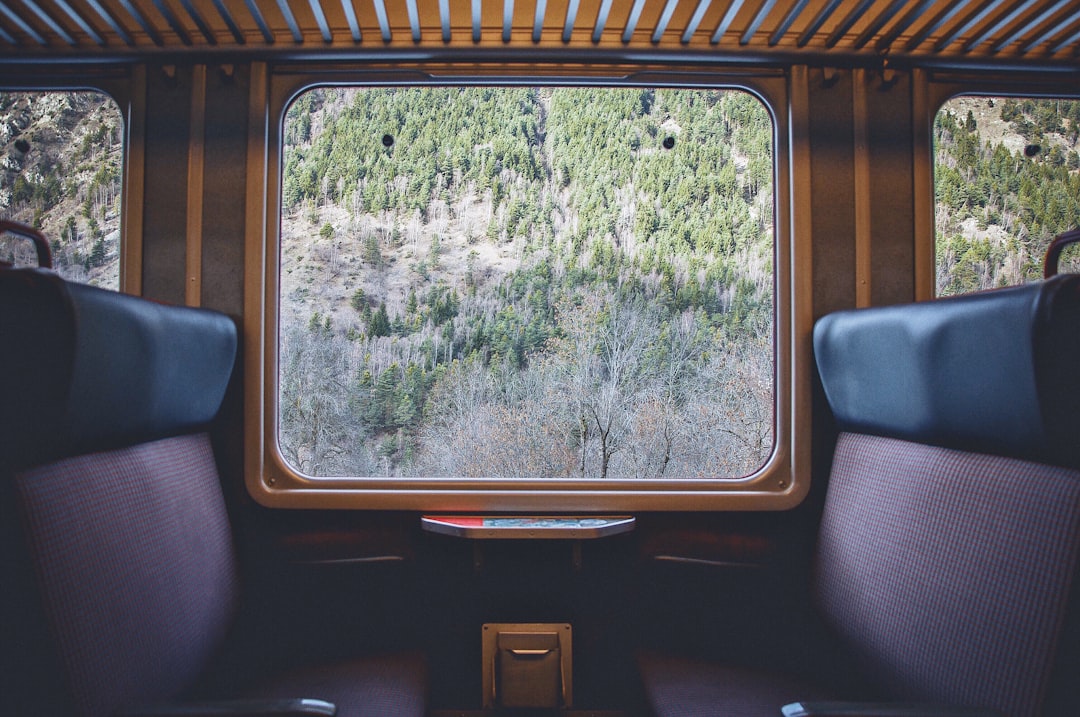
The five-hour journey is an excellent opportunity to settle into the experience of traveling through India’s heartland. As the train departs Delhi and moves eastward through Uttar Pradesh, the landscape gradually transforms from urban sprawl to agricultural plains dotted with small towns and villages. This is where the window-seat experience truly shines.
The onboard amenities are designed to make your journey pleasant. The catering service typically offers breakfast on morning services and dinner on evening services, with an array of vegetarian and non-vegetarian options. Complimentary beverages—tea, coffee, and soft drinks—are available throughout the journey. The food quality reflects a genuine effort to provide authentic Indian Railway hospitality with modern standards of hygiene. Entertainment options include a digital display system showing the route map, arrival and departure times, and passenger announcements in both Hindi and English.
Many travelers use this time to read, work on their laptops (thanks to reliable power sockets), or simply gaze out the window and mentally prepare for the spiritual experience ahead. The gentle rhythm of the train and the changing landscape create a contemplative atmosphere that many find helps transition their mindset from the hurried pace of city life to the more meditative pace required to fully appreciate Ayodhya.
Arrival in Ayodhya and Connecting to Your Hotel
The newly renovated Ayodhya Junction railway station is a modern facility that reflects the city’s growth and renewed significance. Upon arrival, you’ll find clearly marked taxi stands, auto-rickshaw queues, and pre-booked cab services ready to transport you to your accommodation. The station is well-organized, with helpful staff available to assist passengers with directions and transportation arrangements.
Most boutique hotels in Ayodhya, including our own property, offer pick-up services from the railway station for guests. We recommend coordinating this in advance when you complete your booking, ensuring a smooth transition from train to accommodation. The drive from the station to most hotels in the central city area takes between 10 to 20 minutes, depending on traffic and your destination’s location.
Once you’ve settled into your hotel, you’ll want to familiarize yourself with the city’s layout and plan your activities. Whether you’re visiting for spiritual pilgrimage or cultural exploration, having a good base is essential. Our hotel staff are always happy to help arrange city tours and can provide guidance on visiting sites beyond the famous Ram Mandir—there are 12 wonderful places everyone should visit in Ayodhya besides Ram Mandir that offer deeper insights into the city’s heritage and contemporary character.
Practical Tips for a Seamless Journey
A few practical considerations will enhance your Vande Bharat experience. First, pack light—Indian trains have limited luggage space, and smaller bags make navigation through crowded stations easier. A power bank is useful for keeping your devices charged if you’re traveling without a seat near a socket. Comfortable shoes are essential, both for the journey and for the walking you’ll do exploring Ayodhya.
Bring any medications or health essentials you might need; while the train’s onboard staff can provide basic first aid, it’s better to be self-sufficient. The toilets onboard are clean and well-maintained, but many Indian travelers prefer to use station facilities during scheduled stops. If you have specific dietary requirements, you can request special meals when booking; just note this in your reservation details.
Finally, embrace the journey as part of your overall experience. The Vande Bharat Express represents modern India’s determination to blend technological progress with its deep cultural roots. You’ll likely meet fellow travelers heading to Ayodhya for various reasons—pilgrimage, tourism, business, or family visits—and conversations during the journey often lead to meaningful exchanges and fresh perspectives on this extraordinary destination.
The Vande Bharat Express has fundamentally changed how travelers experience the journey to Ayodhya, transforming what was once an endurance test into a comfortable, even enjoyable part of the pilgrimage or visit. Whether this is your first journey to this sacred city or a return visit, taking the Vande Bharat ensures you’ll arrive ready to fully immerse yourself in everything Ayodhya has to offer. We look forward to welcoming you to our hotel and helping you discover the profound beauty and significance of this ancient city.
Photo by Johannes Hofmann on Unsplash
Discover more from Ayodhya Journal
Subscribe to get the latest posts sent to your email.