

Top App-Based Ride-Hailing Services in Ayodhya: Uber and Rapido

Getting Around Ayodhya: Understanding Your Ride-Hailing Options
Ayodhya, one of India’s most spiritually significant cities, has undergone a remarkable transformation in recent years. As the city welcomes an ever-growing number of pilgrims, tourists, and business travellers, the infrastructure supporting visitor convenience has evolved considerably. Among the most practical developments is the expansion of app-based ride-hailing services, which have become essential for seamless urban mobility. Whether you’re arriving at your hotel after a long journey or planning to explore the city’s sacred sites and hidden corners, understanding your transportation options will enhance your stay considerably.
For guests staying at boutique properties or planning their first visit to this ancient city, ride-hailing apps offer a modern, transparent, and reliable alternative to traditional taxi services. Two services have emerged as particularly relevant in Ayodhya’s transportation landscape: Uber and Rapido. Each brings distinct advantages depending on your travel needs, budget, and comfort preferences. This guide will help you navigate both options so you can make informed decisions during your time here.
Uber in Ayodhya: Comfort, Predictability, and Digital Trust
Uber’s presence in Ayodhya reflects the broader digital transformation sweeping across Indian cities. The platform operates through a straightforward model: open the app, set your location and destination, and receive a quote based on real-time demand and distance. One of Uber’s greatest strengths is the consistency of the experience. Whether you’re travelling within the city centre near the sacred temples or heading to one of the newer hospitality developments emerging across Ayodhya, the service maintains uniform standards of vehicle quality and driver professionalism.
The transparency built into Uber’s model appeals particularly to travellers unfamiliar with local taxi rates. Before confirming your ride, you know exactly what you’ll pay—no negotiation required, no surprises at the destination. For guests arriving at Ayodhya after visiting other Indian cities, this familiarity can be genuinely reassuring. The app also provides real-time tracking, which means both the passenger and anyone expecting you can monitor progress. Driver ratings are visible before you book, and your own ride is documented in your account history, creating an additional layer of accountability.
Uber’s vehicle categories offer flexibility. The standard option provides economical travel for budget-conscious visitors, while UberX offers more spacious comfort. For those seeking a more premium experience—perhaps after a day of temple visits or cultural exploration—UberXL accommodates larger groups or additional luggage. Payment is entirely digital; you can link your credit card, debit card, or digital wallet, eliminating the need to carry cash for every journey.
Rapido: The Local Speed and Accessibility Factor
Rapido has carved out a distinct niche in India’s ride-hailing market, particularly in smaller cities and towns where its model proves exceptionally practical. Unlike Uber’s broader vehicle categories, Rapido specialises in two-wheelers (bikes) and auto-rickshaws, making it uniquely suited to Ayodhya’s urban dynamics. For solo travellers or those comfortable with two-wheeler transportation, Rapido often provides the fastest, most affordable way to move through the city’s streets.
The bike-taxi option is especially valuable in Ayodhya during peak visitor seasons when traffic congestion can make four-wheeled vehicles slower. A motorcyclist can navigate through narrow lanes and bustling bazaars with agility, getting you to markets, temples, or local eateries swiftly. For guests planning an exploratory outing to off-beat destinations around Ayodhya, Rapido’s bike service paired with local knowledge from drivers creates an authentic, immersive experience.
Rapido’s auto-rickshaw option bridges the gap between affordability and covered transport. Three-wheelers are iconic to Indian cities, and they remain highly efficient for short-to-medium distances. Rapido’s integration of auto-rickshaws into a digital platform brings the same accountability and pricing transparency that modern travellers expect, while preserving the local character of transportation. Many guests find this combination particularly appealing—the romance of a traditional auto-rickshaw enhanced by modern app-based convenience.
Like Uber, Rapido operates through a simple interface: input your location, select your preferred vehicle type, and confirm when you see the available options and fare. Payment methods are comparable, though cash remains an option on some rides, catering to those who prefer not to use digital payments. Driver ratings and route transparency apply equally, ensuring you’re comfortable before booking.
Choosing Between Uber and Rapido: Practical Scenarios
Your choice between these services often depends on specific circumstances. If you’re travelling with family or friends, or if you have significant luggage—perhaps carrying souvenirs from local artisan shops or religious offerings—Uber’s four-wheeled vehicles provide superior comfort and storage. This is particularly relevant after spending time exploring Ayodhya’s rich heritage properties, when you may be tired and prefer a climate-controlled, spacious environment for your return journey.
Conversely, if you’re a solo traveller or part of a couple, with minimal baggage, and your destination is relatively close, Rapido’s bike service is often faster and considerably cheaper. During Ayodhya’s bustling festival seasons, when locals observe and celebrate major festivals with vibrant public gatherings, congestion can be severe. In such conditions, a two-wheeler’s manoeuvrability becomes a genuine advantage.
Weather is another practical factor. During Ayodhya’s hot summers, Uber’s air-conditioned vehicles provide welcome relief. During the monsoon season, four-wheelers obviously offer better protection. In pleasant winter months, either option works well, though some travellers specifically choose bikes then to enjoy the weather.
Budget considerations are equally valid. Rapido is notably more economical, sometimes 30-40% cheaper than Uber for equivalent distances. For extended stays or frequent travel around the city, the cumulative savings can be meaningful. However, if cost is less important than predictability and premium comfort, Uber’s slightly higher fares deliver measurable benefits.
Practical Tips for Using Ride-Hailing Apps in Ayodhya
A few practical suggestions will enhance your ride-hailing experience. Both apps function reliably in Ayodhya, as the city’s digital infrastructure has improved substantially. However, before you arrive, download both apps and ensure your payment methods are registered. This simple step prevents frustration if one service is temporarily unavailable or if queues are long for a particular option.
Confirm your location precisely. Ayodhya’s older quarters, while architecturally and spiritually magnificent, sometimes lack clear street addresses. If you’re at a guest house, hotel, temple, or well-known landmark, use that as your starting point rather than a vague area name. Hotel staff are invariably helpful in ensuring drivers receive accurate location details.
Small cash denominations are valuable. While both apps offer cashless payment, small tips for drivers are customary and appreciated. Having 10-20 rupee notes ensures you can express gratitude without creating change issues.
During peak times—early mornings when pilgrims head to temples, or evenings after major gatherings—both services may experience surge pricing. If your schedule is flexible, waiting 15-20 minutes sometimes returns rates to normal. Conversely, if timing is crucial, accepting higher fares ensures availability.
Keep your phone charged. Both apps rely on GPS and internet connectivity. A power bank is a small addition to your luggage that prevents the stress of a dead battery when you need a ride.
The Broader Context: Transportation’s Role in Your Ayodhya Journey
Ride-hailing services represent just one thread in Ayodhya’s evolving visitor infrastructure. As the city develops, services like Uber and Rapido increasingly complement traditional transportation, creating a comprehensive mobility ecosystem. Whether you’re researching opportunities for hospitality entrepreneurs in Ayodhya or simply planning a pilgrimage, efficient transportation shapes how you experience the city.
Seamless movement between your accommodation, spiritual sites, local markets, and cultural landmarks allows you to focus on why you came—to connect with the city’s profound heritage, meet its welcoming residents, and create meaningful memories. When transportation logistics fade into the background, your journey becomes richer.
Both Uber and Rapido serve this goal well, each offering distinct advantages. Your choice ultimately reflects your travel style, comfort preferences, and specific needs for each journey. Having both apps installed gives you complete flexibility to select whichever service best suits each situation, ensuring that your time in this ancient and rapidly evolving city remains seamless, safe, and genuinely enjoyable.
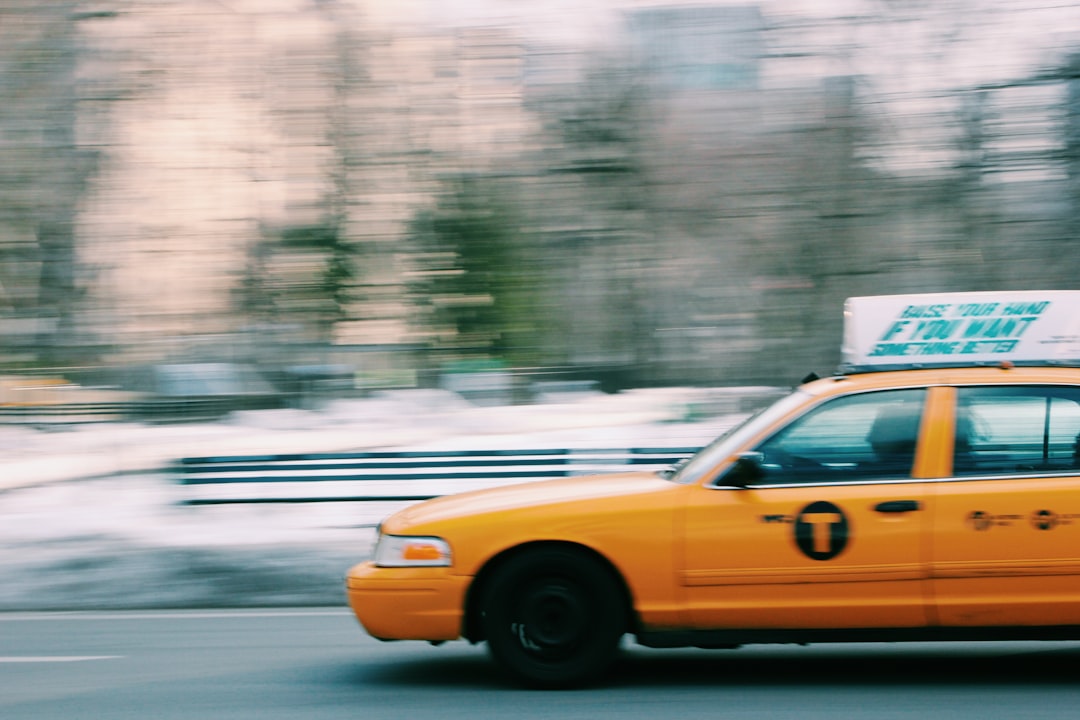
Photo by Fernanda Caetano on Unsplash
Discover more from Ayodhya Journal
Subscribe to get the latest posts sent to your email.