

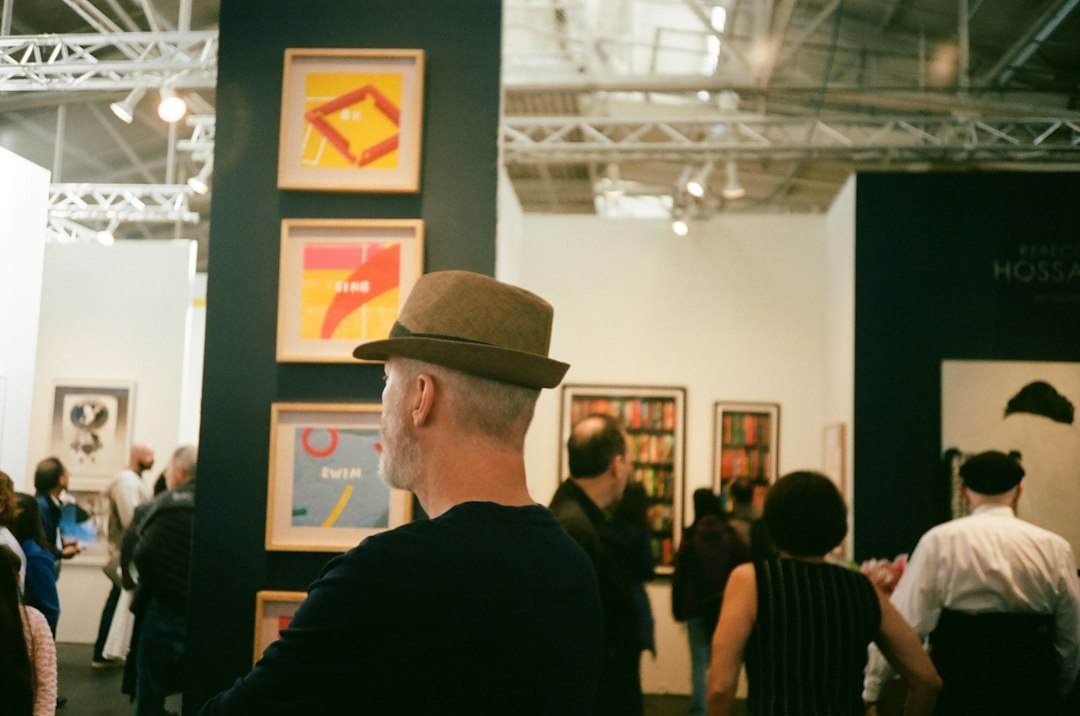
Upcoming Cultural Exhibitions at the Ayodhya Art Gallery

There is a particular hush that falls over a gallery just before an exhibition opens — a mixture of anticipation and reverence that feels entirely at home in a city as layered as Ayodhya. As the season ahead brings a fresh roster of shows to the Ayodhya Art Gallery, we find ourselves once again reminded that this is a city where the past is never simply preserved behind glass; it is reinterpreted, questioned, and celebrated in equal measure. For our guests, many of whom arrive seeking the spiritual rhythms of the evening aarti on the banks of the Saryu, the gallery offers a quieter, contemplative counterpoint — a place to sit with the region’s artistic inheritance at a slower pace.
We have spent the past few weeks speaking with curators, artists, and the gallery’s small but devoted staff to understand what is coming, and why it matters. What follows is not an exhaustive catalogue but a considered guide to the exhibitions we believe will resonate most deeply with visitors this season.
A Return to Terracotta: Sculpting the Sacred Landscape
Opening first is a show dedicated to terracotta sculpture from the wider Awadh region, bringing together works that trace the evolution of devotional figurines from the medieval period through to contemporary practice. The curators have been careful to situate these pieces not as relics but as living continuations of craft traditions still practiced in villages surrounding the city. It is a fitting companion to the broader story we explored in our piece on the revival of Ayodhya’s handicraft industry, where artisans have found renewed markets and recognition after decades of quiet struggle. Walking through this exhibition, one senses how deeply intertwined material culture and religious life have always been here — clay shaped by hand, fired in local kilns, carrying forward motifs that have barely shifted across centuries even as the hands holding the tools have changed generation after generation.
What distinguishes this exhibition from similar efforts elsewhere is its insistence on context. Rather than isolating objects on pedestals, the gallery has reconstructed small tableaux suggesting the domestic and temple settings where these pieces would originally have lived. It is an approach that rewards unhurried viewing, and we would encourage guests to set aside a full morning rather than treating it as a brief stop between other engagements.
Miniature Paintings and the Ramayana in Visual Memory
Perhaps the most anticipated exhibition of the season is a traveling collection of miniature paintings depicting scenes from the Ramayana, drawn from private collections across Uttar Pradesh and Rajasthan. These works, many dating from the seventeenth and eighteenth centuries, offer a fascinating study in how artists across different courts and regions imagined the same epic narrative — the colour palettes, architectural details, and even facial expressions shift noticeably depending on the painting’s origin. For visitors who have already spent time exploring the ancient temples of the Ayodhya region, this exhibition adds another dimension entirely, showing how the same stories carved into stone centuries ago were simultaneously being rendered in ink and pigment on paper, often for very different audiences.
The Archaeological Survey of India has been involved in authenticating several pieces in the collection, and their involvement lends the show a scholarly rigor that will appeal to serious students of Indian art history as much as to casual visitors. More information on the ASI’s broader conservation work can be found through their official portal, which offers useful background for anyone wanting to understand the institutional frameworks protecting such fragile works.
Contemporary Voices: New Commissions from Regional Artists
Alongside the historical exhibitions, the gallery has commissioned a series of new works from artists currently based in and around Ayodhya, many of whom are exhibiting publicly for the first time. This is, to our mind, one of the more quietly significant developments in the local cultural scene — a recognition that Ayodhya’s artistic identity is not frozen in antiquity but actively being written by painters, sculptors, and textile artists working today. The pieces range from large-scale canvases exploring the city’s rapid urban transformation to more intimate studies of ritual and domestic life along the riverbanks.
This spirit of reinvention mirrors something we have noticed more broadly across the city, echoed in our earlier look at the growth of local boutique businesses in Ayodhya, where a similar generation of entrepreneurs and makers is finding new ways to honour tradition while building something distinctly their own. It is heartening to see the gallery give these younger artists a proper platform rather than treating contemporary work as an afterthought to the historical collections.
Textiles, Craft, and the Living Traditions of Awadh
A smaller but no less compelling exhibition will showcase textile traditions from across the Awadh region, including chikankari embroidery and zardozi work, displayed alongside archival photographs of the artisans and workshops where these techniques have been passed down. The curatorial team has made a deliberate choice to credit individual craftspeople by name wherever possible, a gesture that feels both overdue and quietly radical in an art world that has too often treated textile work as anonymous “folk craft” rather than individual artistic achievement.
We would note that this exhibition pairs particularly well with a visit to the city during festival season, when these same textile traditions are worn and celebrated in daily life rather than displayed behind glass. Guests planning their stay around Navratri or other major observances described in our overview of how locals celebrate Ayodhya’s major festivals will find the exhibition offers useful context for patterns and motifs they will likely see throughout the city during their visit.
Planning Your Visit to the Gallery
The gallery sits within easy reach of most central accommodations, and the city’s continued infrastructure improvements have made getting around considerably more comfortable than even a few years ago. Visitors arriving by train, including those taking advantage of the Vande Bharat Express service, will find the gallery a manageable and pleasant addition to a day otherwise spent at the temples and riverfront. We would gently suggest visiting on a weekday morning, when the galleries are quieter and the natural light through the upper windows is at its most flattering for viewing the paintings in particular.
For those wishing to coordinate exhibition visits with official tourism resources, the Uttar Pradesh Tourism website maintains updated listings of cultural events across the state, while Incredible India offers a broader sense of how Ayodhya’s cultural offerings fit within the national tourism landscape. We also recommend reviewing our guide to hotel cancellations and refund policies in Ayodhya before finalizing travel dates, given that exhibition schedules occasionally shift and flexibility can be useful.
We have always believed that a city’s art tells you something its monuments cannot — something about mood, about the small human gestures that get lost in grander narratives. This season’s exhibitions, taken together, feel like a particularly honest portrait of Ayodhya as it stands today: rooted deeply in the past, yet unmistakably alive to the present. We hope you will find time to wander through them slowly.
Photo by Kyle Ryan on Unsplash
Discover more from Ayodhya Journal
Subscribe to get the latest posts sent to your email.