

Must-Try Sweet Treats and Desserts of Ayodhya

The Sweet Soul of Ayodhya: A Journey Through Its Dessert Traditions
Ayodhya, one of India’s most spiritually significant cities, is a place where devotion runs deep and tradition flows through every street, every temple, and every kitchen. While the city is celebrated for its sacred temples and pilgrimage routes, there exists a lesser-known treasure that deserves equal admiration: its remarkable collection of traditional sweets and desserts. These confections are far more than mere indulgences—they are edible expressions of Ayodhya’s rich cultural heritage, passed down through generations and perfected by families who have guarded their recipes like sacred texts. Whether you are visiting during the effects of Deepotsav on Ayodhya, when the city lights up with celebration, or arriving on a quiet pilgrimage, exploring these sweet treats offers an intimate glimpse into the soul of this holy city. Each dessert tells a story—of devotion, craftsmanship, and the simple joy of sharing something delicious with those you hold dear.
Peda: The Iconic Sweet of Ayodhya
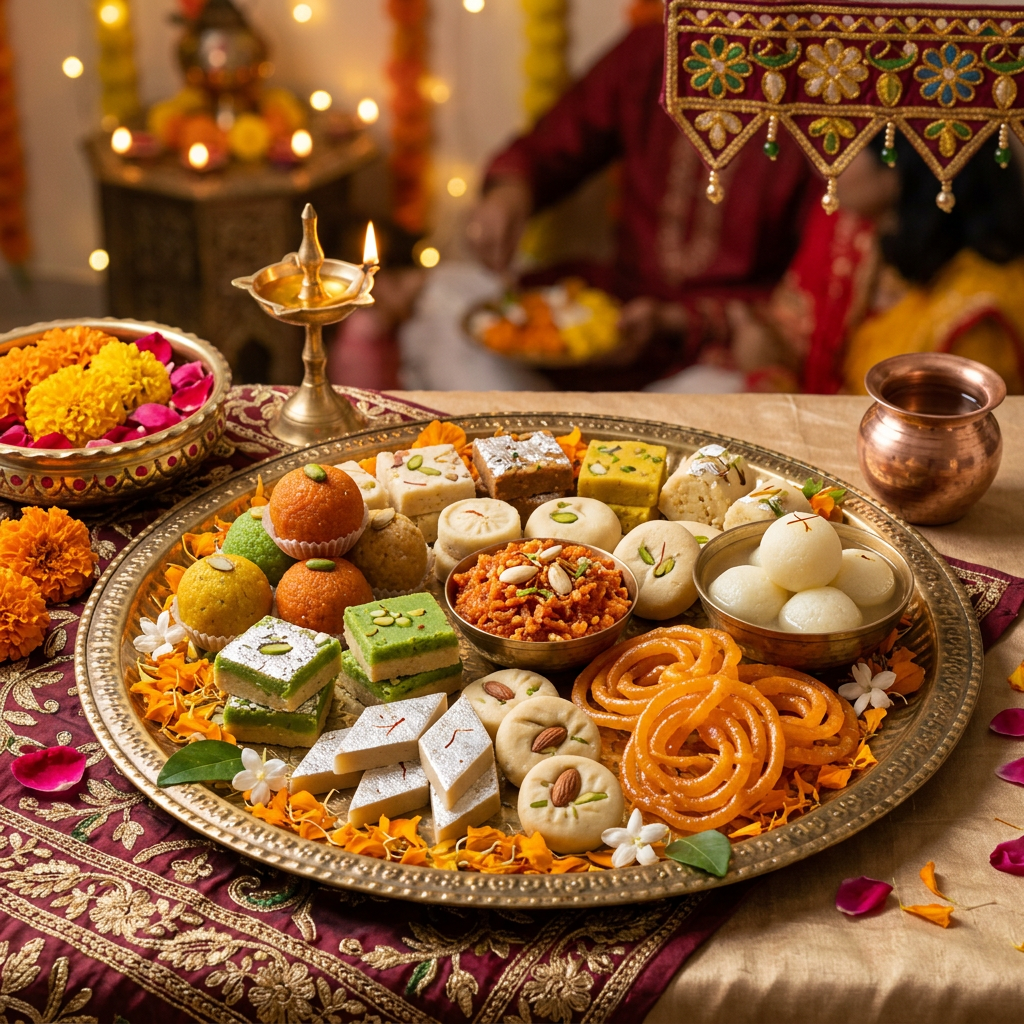
When one speaks of Ayodhya’s sweets, the conversation inevitably begins with peda—a dense, fudgy confection that has become synonymous with the city itself. This milk-based delicacy is created through a meticulous process of reducing milk, ghee, and sugar to a thick, caramel-colored paste, which is then shaped into small, rounded portions and often garnished with nuts or silver leaf. What makes Ayodhya’s peda particularly special is the quality of the milk used and the time-honored techniques employed by local sweetmakers who have perfected their craft over decades. The texture should melt on your tongue, leaving behind a subtle, lingering sweetness that speaks to the care taken in its preparation.
The charm of peda lies in its simplicity—it requires only a handful of ingredients, yet achieving the perfect consistency demands patience, precision, and an intuitive understanding of heat and timing. Many families in Ayodhya consider sharing a box of premium peda an essential gesture of hospitality and goodwill. If you visit local sweet shops, you’ll notice that the finest pedas are often made fresh each morning, and devotees frequently purchase them to offer at temples as part of their spiritual practice. The sweetness is never cloying; rather, it provides a gentle comfort that feels almost meditative.
Barfi and Khoya-Based Confections
Beyond peda, Ayodhya boasts an impressive array of barfi—diamond-shaped or square sweets made from condensed milk, ghee, and various flavorings. The most beloved varieties include chocolate barfi, coconut barfi, and the deeply aromatic almond (badam) barfi. These confections showcase the creativity of local artisans who have learned to balance traditional flavors with subtle innovations that appeal to both conservative palates and adventurous sweet-tooths.
Khoya, or evaporated milk solids, forms the foundation of many traditional Ayodhya desserts. This ingredient is made by slowly heating milk until most of its moisture evaporates, resulting in a rich, creamy base that absorbs flavors beautifully. Khoya barfi, sometimes studded with pistachios or cardamom, represents comfort in its most indulgent form. The slightly grainy texture combined with the silky mouthfeel creates a complex eating experience that lingers pleasantly. When exploring the best restaurants and cafes in Ayodhya, many establishments now feature house-made versions of these classics, prepared with the same devotion one might bring to a religious ceremony.
Malaiyyo and Seasonal Specialties
As winter descends upon Ayodhya, a special treat emerges from kitchens and sweet shops: malaiyyo. This ethereal dessert, sometimes called rabri ka malai, consists of a frothy layer of milk cream flavored with cardamom, nuts, and a whisper of saffron. It is traditionally served in earthen bowls and tastes best when consumed in the early morning hours, often paired with warm milk. The texture is almost cloud-like, dissolving on the palate and leaving behind a delicate sweetness tinged with aromatic spices.
Ayodhya’s dessert calendar is marked by seasonal specialties that honor the rhythms of the Indian agricultural and festival calendar. During spring, you might encounter mango-infused sweets; in summer, cooling desserts made with milk and nuts become popular; and during the festival season, elaborate preparations of traditional sweets take center stage in virtually every home. The connection between these seasonal treats and the spiritual calendar of the city creates a beautiful synchronicity—as if the sweets themselves are participating in the devotional life of Ayodhya.
Gulab Jamun, Jalebi, and Fried Delights
No exploration of Ayodhya’s dessert landscape would be complete without acknowledging the beloved fried sweets that bring joy to countless celebrations. Gulab jamun—soft, spongy balls of khoya deep-fried and soaked in rose-scented sugar syrup—represents the height of indulgence. The exterior is delicate and slightly crispy, while the interior remains moist and fragrant. These are often served warm, sometimes with a touch of rabri (sweetened, reduced milk), creating a combination that feels both luxurious and deeply comforting.
Jalebi, with its intricate spirals of fried batter soaked in sugar syrup, offers a different kind of pleasure. The crispy exterior gives way to a sweet, syrupy center, and the bright orange color signals the use of traditional saffron or natural colorants. In Ayodhya, jalebi remains a beloved street food and a staple at weddings and major celebrations. The skill required to create perfectly formed jalebi spirals is remarkable—it’s a craft that takes years to master, and watching an experienced jalebi maker at work is a performance in itself.
The Art of Presentation and Hospitality
In Ayodhya’s culture of hospitality, the presentation of sweets is almost as important as their taste. Elaborate gift boxes are carefully arranged with multiple varieties, often wrapped in colorful paper and presented with genuine warmth. The act of offering sweets to guests—whether in homes, hotels, or temples—carries deep cultural significance. It is a gesture that transcends mere nutrition; it is an expression of affection, respect, and the desire to share in auspicious moments.
During your stay in Ayodhya, particularly if you are fortunate enough to visit during one of the city’s many festivals or celebrations, you will witness how integral these sweets are to the social fabric. They appear at ceremonies, mark milestones, and create moments of connection between people. Many boutique hotels and guesthouses now offer curated sweet platters as part of their welcome amenities, and some have even begun collaborating with local sweetmakers to offer authentic creations to their guests. This blend of modern hospitality with traditional craftsmanship creates memorable experiences that extend far beyond the plate.
If you want you can look at the list of the popular sweet shops in Ayodhya on Justdial here.
As you journey through Ayodhya, we encourage you to pause and savor these remarkable desserts—not simply as treats to be consumed, but as edible chapters in the city’s ongoing story. Each sweet carries within it the passion of the maker, the tradition of generations, and the spiritual essence that makes Ayodhya such a uniquely enchanting destination. Whether enjoyed in a bustling sweet shop, at a family gathering, or within the quiet elegance of your hotel room, these confections offer a sweetness that nourishes both body and spirit.
Discover more from Ayodhya Journal
Subscribe to get the latest posts sent to your email.