

The Effects of Deepotsav on Ayodhya

Introduction : Deepotsav
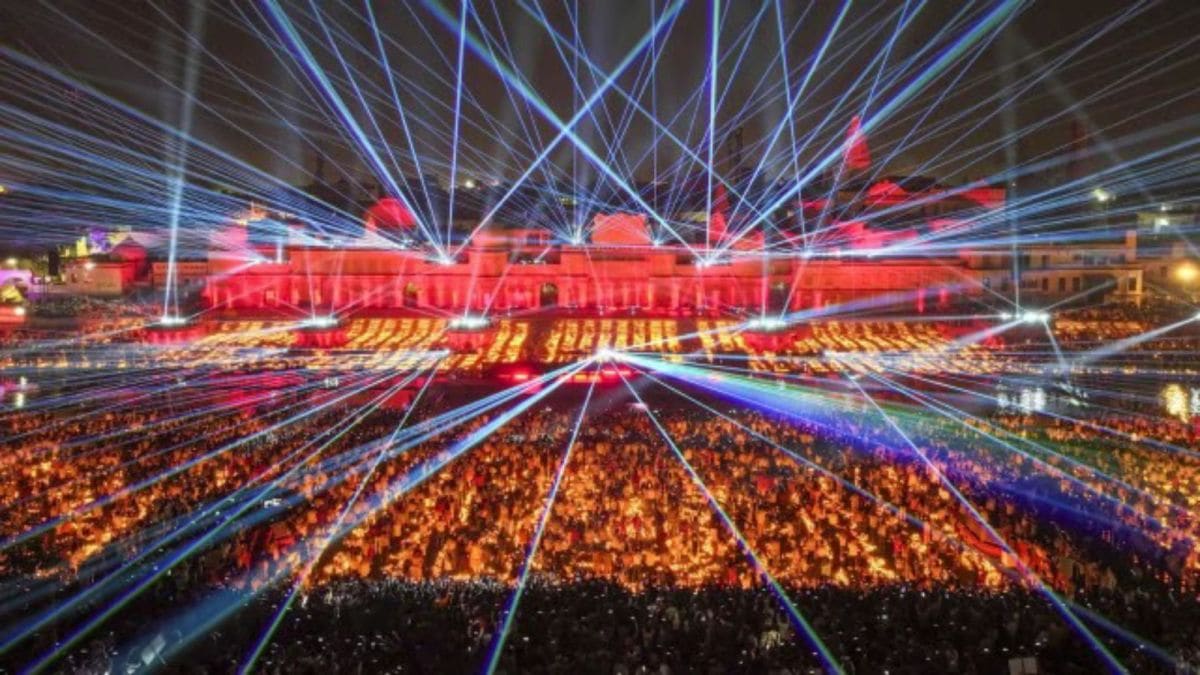
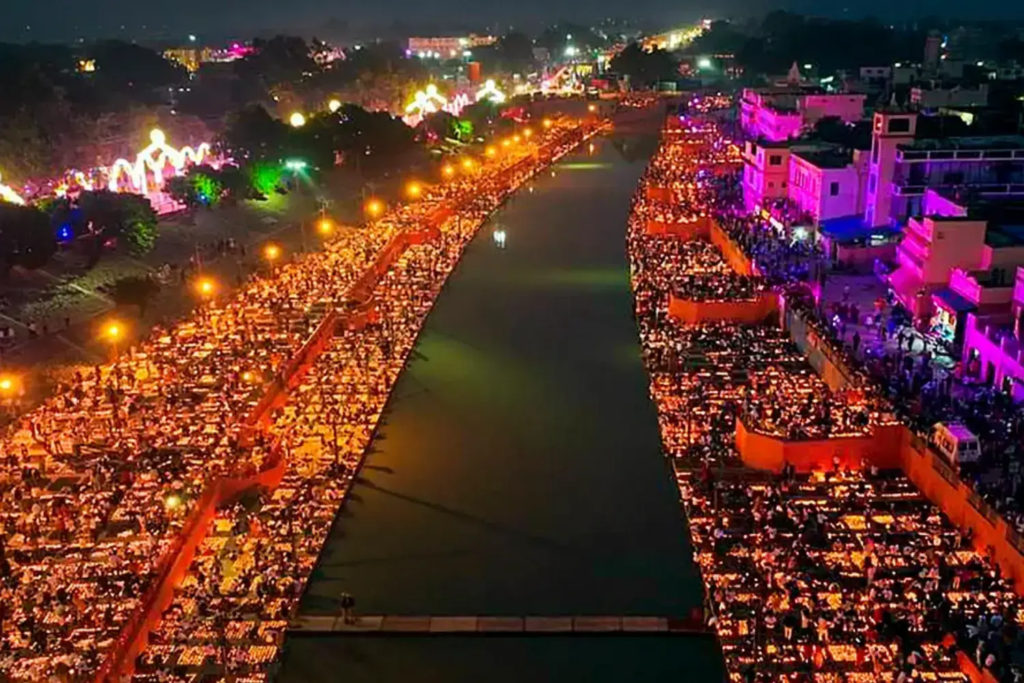
Deepotsav, the grand festival of lights celebrated annually in Ayodhya, has emerged as one of India’s most significant cultural and religious events. Introduced on a large scale in 2017, the festival commemorates the return of Lord Rama to Ayodhya after fourteen years of exile, as described in the Ramayana. Millions of earthen lamps (diyas) are lit along the banks of the Sarayu River, transforming the city into a spectacular symbol of faith, culture, and heritage. Over the years, Deepotsav has had a profound impact on Ayodhya’s economy, tourism, cultural identity, and infrastructure.
Economic Impact
One of the most visible effects of Deepotsav has been the economic growth of Ayodhya. The festival attracts lakhs of pilgrims, tourists, and media personnel every year, generating substantial revenue for local businesses. Hotels, restaurants, transport services, handicraft shops, and street vendors experience increased demand during the festival season.
Deepotsav has also created employment opportunities for local residents. Thousands of artisans, decorators, event organizers, security personnel, and volunteers participate in the preparations. Potter communities, in particular, have benefited greatly from the massive demand for earthen lamps. Many families that traditionally made diyas have witnessed a significant increase in income due to large government and private orders.
Growth of Tourism
Deepotsav has transformed Ayodhya into a major religious and cultural tourism destination. The festival’s spectacular display of millions of lamps has earned international recognition and multiple Guinness World Records. The event attracts visitors not only from different parts of India but also from abroad.
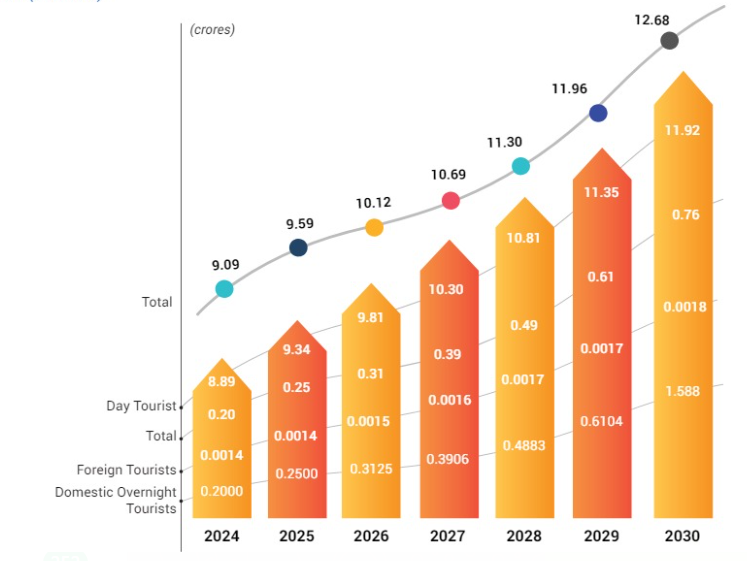
The increased popularity of Deepotsav has contributed to a broader tourism boom in Ayodhya. Visitor numbers have risen dramatically in recent years, supported by improved infrastructure and growing interest in the city’s religious significance.
Cultural and Religious Significance of Deepotsav
Deepotsav has strengthened Ayodhya’s identity as a center of Hindu spirituality and cultural heritage. Through cultural performances, Ramayana-based tableaux, devotional programs, and traditional ceremonies, the festival promotes awareness of India’s rich cultural traditions.
The celebration fosters a sense of pride among local residents and reinforces connections between generations by encouraging participation in traditional customs. It also serves as a platform for showcasing Indian art, music, dance, and folklore to a global audience.
Infrastructure Development
The growing scale of Deepotsav has encouraged significant improvements in Ayodhya’s infrastructure. Roads, public spaces, ghats, lighting systems, transportation facilities, and tourist amenities have been upgraded to accommodate the increasing number of visitors. These developments have enhanced the city’s overall appearance and improved the quality of life for residents.
Better connectivity through road, rail, and air transport has further strengthened Ayodhya’s position as an important pilgrimage and tourism center.
Read more about the new hotels entering Ayodhya soon to harness this tourism boom here
Social Impact
Deepotsav promotes community participation and social cohesion. Thousands of students, volunteers, religious leaders, artists, and local residents work together to organize the event. The collective effort creates a spirit of unity and shared responsibility. The festival also spreads messages of harmony, cultural unity, and respect for heritage.
Challenges
Despite its many benefits, Deepotsav also presents challenges. The large influx of visitors can place pressure on local resources, traffic management, sanitation systems, and environmental sustainability. Authorities must ensure effective crowd management, waste disposal, and protection of the Sarayu River ecosystem. Balancing rapid tourism growth with sustainable development remains an important priority.
Conclusion
Deepotsav has played a transformative role in Ayodhya’s development. It has boosted tourism, strengthened the local economy, promoted cultural heritage, improved infrastructure, and enhanced the city’s global visibility. While challenges related to sustainability and crowd management remain, Deepotsav stands as a powerful example of how cultural festivals can contribute to social and economic progress while preserving traditional values. Through this annual celebration, Ayodhya has emerged as a prominent spiritual and cultural destination on both the national and international stage.
Discover more from Ayodhya Journal
Subscribe to get the latest posts sent to your email.