

The Revival of Ayodhya’s Handicraft Industry

A City Awakening: The Handloom Heritage of Ayodhya
Ayodhya has long been revered as a place of profound spiritual significance, drawing pilgrims and seekers to its sacred shores for centuries. Yet beneath the layers of mythology and devotion lies another treasure—one woven into cloth, carved into wood, and shaped by the skilled hands of artisans whose families have preserved their craft across generations. The handicraft industry of Ayodhya is experiencing a remarkable renaissance, breathing new life into traditions that once risked fading into obscurity. This revival is not merely an economic phenomenon; it represents a conscious effort to honor the cultural identity of a city that has always been a symbol of tradition and continuity.
As growing tourism transforms Ayodhya into a new economic hub, the handicraft sector stands at the intersection of heritage preservation and sustainable development. Visitors who come to experience the spiritual essence of the city are increasingly seeking authentic connections with its people and their creative expressions. This convergence has created unprecedented opportunities for artisans who, for decades, struggled to maintain their livelihoods in an age of mass production.
The Artisans’ Journey: From Struggle to Recognition
The story of Ayodhya’s handicraft artisans is one of resilience and quiet determination. For generations, families in the surrounding villages have specialized in distinct crafts—carpet weaving in some communities, stone carving in others, and intricate embroidery in still more. These skills were passed down like sacred trusts, from grandparent to parent to child, often taught through observation and patient practice rather than formal instruction.
However, the late twentieth century posed significant challenges to this heritage. Industrialization and the proliferation of machine-made goods made it increasingly difficult for traditional artisans to compete on price. Many young people abandoned their family trades in search of more stable, better-paying work in cities. The knowledge systems that had sustained these communities for centuries began to fragment. Workshops grew quiet, and the distinctive aesthetic that characterized Ayodhya’s handicrafts risked becoming a footnote in art history.
What has changed in recent years is a fundamental shift in how both government bodies and private enterprises view these traditions. Rather than seeing handicrafts as relics of the past, there is now recognition that they represent irreplaceable cultural capital and a source of dignified, meaningful employment. Cooperative societies have been established to help artisans access better markets and fair prices for their work. Training programs have been initiated to help younger generations reconnect with their heritage while learning contemporary design sensibilities that appeal to modern consumers.
The Crafts That Define Ayodhya
Walking through the artisan quarters of Ayodhya, one encounters a remarkable diversity of creative expression. The carpet weavers of villages like Sultanpur and Bikapur are particularly renowned for their double-knot technique, which produces carpets of exceptional durability and luminous color. These pieces, often featuring traditional motifs inspired by nature and religious iconography, can take months to complete. A master weaver might work on a single carpet with only brief interruptions, their hands moving in practiced rhythm across the loom.
Stone carving represents another cornerstone of the region’s artisan heritage. The soft sandstone found in Uttar Pradesh’s geological makeup has made the region conducive to this art form since antiquity. Contemporary artisans create everything from decorative architectural elements to devotional sculptures, often drawing inspiration from the spiritual significance evident in the city’s sacred sites. The precision required is extraordinary—a single miscalculation can ruin weeks of painstaking work.
Embroidery and textile arts flourish in communities throughout Ayodhya’s hinterland. The chikankari tradition, though more closely associated with Lucknow, has significant practitioners in Ayodhya who have developed their own distinctive variants. Women artisans create shawls, dupattas, and garments adorned with delicate needlework that requires extraordinary patience and an intuitive sense of design. The repetitive nature of this work might seem meditative to an outsider, but to those who practice it, each piece is a conversation between their creative vision and the material at hand.
Economic Opportunity and Sustainable Tourism
The expansion of tourism infrastructure in Ayodhya has created tangible economic benefits for artisans. Visitors seeking authentic souvenirs and cultural experiences increasingly prefer handicrafts to mass-produced goods. Boutique hotels and heritage accommodations have become valuable partners in this ecosystem, featuring local artisan work in their décor and actively promoting craftspeople to their guests. This direct connection between creator and consumer has helped restore dignity to trades that had become economically marginalized.
Moreover, the attention of government agencies and non-governmental organizations has led to improved market access. Artisans no longer need to rely solely on local buyers or middlemen who take substantial cuts. Digital platforms, carefully curated craft fairs, and partnerships with ethical retailers have opened pathways to national and international markets. A carpet weaver in a village near Ayodhya can now reach collectors in Delhi, Mumbai, or abroad, receiving fair compensation that reflects the true value of their work.
This economic transformation carries profound social implications. Young people who might have migrated to cities in search of opportunity now see viable futures in their home communities. Women artisans, in particular, have gained greater economic independence and social standing. Families that invested generations in perfecting their craft are beginning to see their investments validated and honored.
Preserving Tradition While Embracing Evolution
A crucial aspect of the handicraft revival is the balance between preservation and innovation. While maintaining the traditional techniques and aesthetic principles that define these crafts, contemporary artisans are also experimenting with new color palettes, design elements, and applications. A weaver might incorporate modern geometric patterns alongside traditional floral motifs. A stone carver might create contemporary sculptural forms while maintaining the hand-finishing that gives their work its distinctive character.
This creative evolution ensures that handicrafts remain living traditions rather than museum pieces. Young artisans who have learned the foundational techniques from their elders are bringing fresh perspectives shaped by contemporary design education and global aesthetic influences. The result is work that honors its heritage while remaining relevant and appealing to twenty-first-century sensibilities.
Training institutions and cooperative workshops have become spaces where this dialogue between tradition and innovation flourishes. Master artisans mentor younger practitioners while remaining open to new ideas. Design consultants help artisans understand market trends without compromising their artistic integrity. This collaborative approach has proven far more effective than top-down interventions, allowing the communities themselves to shape the direction of their cultural evolution.
The Visitor’s Role in Sustaining Craft Communities
For those who visit Ayodhya, engaging with the handicraft industry is an opportunity to participate in something meaningful. Purchasing directly from artisans or through cooperative networks ensures that your money reaches those who actually created the work. More than a transaction, it represents a vote of confidence in traditions that deserve to endure. When you commission a piece or spend time learning about the techniques behind a craft, you become part of the story—a witness to practices that have survived centuries of change.
Many artisans welcome visitors to their workshops, an experience that enriches travel far beyond what conventional tourism offers. Watching a carpet weaver’s hands move across the loom, understanding the months of labor behind a carved stone panel, or learning the patience required for intricate embroidery creates a connection to place and culture that lasts long after your journey ends. These encounters remind us that craftsmanship is not merely about producing objects; it is a form of cultural expression and spiritual practice.
Looking Forward: A Shared Future
The revival of Ayodhya’s handicraft industry is far from complete, and challenges remain. Access to quality raw materials, adequate credit facilities, and consistent market demand are ongoing concerns. Climate change, health crises, and shifting consumer preferences will continue to test the resilience of these communities. Yet the momentum is undeniable, and the recognition of what is at stake has mobilized resources and goodwill that were previously unavailable.
As you plan your journey to this sacred city, we invite you to look beyond the well-trodden spiritual paths and spend time with the people whose hands shape Ayodhya’s cultural identity. Whether through a simple purchase, a workshop visit, or simply the respectful attention you bring to these traditions, you become part of a larger story—one of preservation, dignity, and the enduring power of human creativity. This is the true gift that Ayodhya offers those willing to look closely enough to see it.
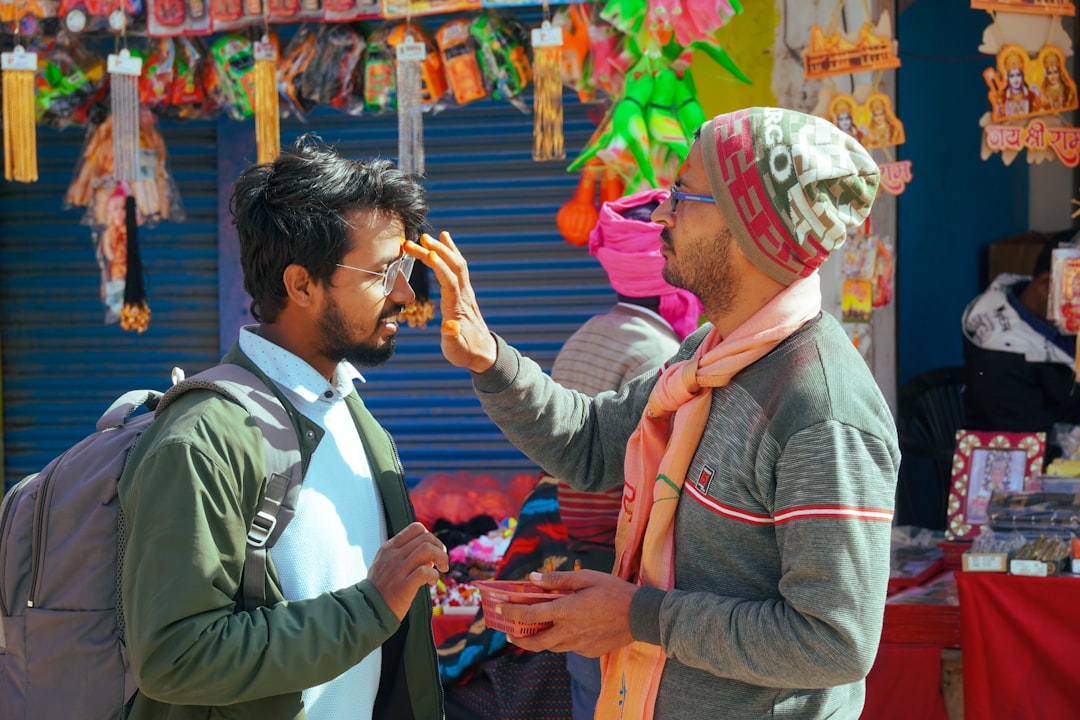
Photo by Raju Kumar on Unsplash
Discover more from Ayodhya Journal
Subscribe to get the latest posts sent to your email.