

Growing Tourism in Ayodhya: A New Era of Spiritual and Economic Development

How Increased Tourism is Transforming Ayodhya’s Infrastructure, Culture, and Economy
Ayodhya, one of India’s most sacred cities, has witnessed remarkable growth in tourism in recent years. Located in the state of Uttar Pradesh, Ayodhya is revered as the birthplace of Lord Rama and holds immense religious, cultural, and historical significance. The city’s transformation into a major tourist destination has brought new opportunities for economic growth, infrastructure development, and cultural preservation.
The inauguration of the grand Ram Mandir has become a major attraction for pilgrims and tourists from across India and around the world. Millions of devotees now visit Ayodhya every year to seek blessings and experience the city’s spiritual atmosphere. This surge in visitors has significantly boosted local businesses, including hotels, restaurants, transportation services, and handicraft shops.
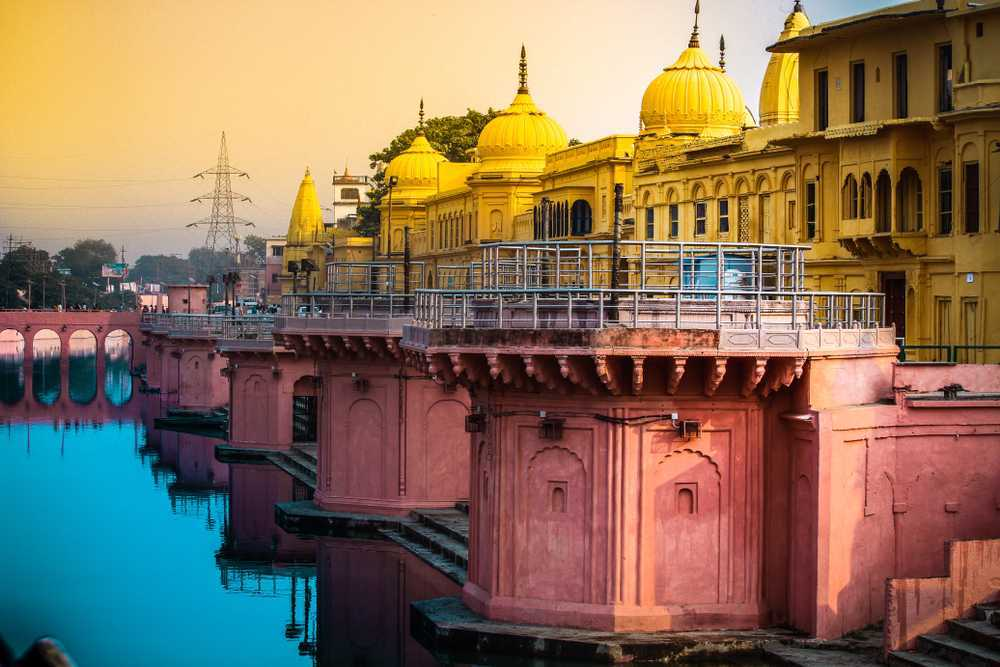
To accommodate the growing number of tourists, the government has invested heavily in infrastructure development. The modern Maharishi Valmiki International Airport has improved connectivity, while upgraded roads, railway facilities, and public amenities have made travel more convenient. Beautification projects along the banks of the Sarayu River have enhanced the city’s appeal and provided visitors with a pleasant experience.
Tourism growth has also generated employment opportunities for local residents. Many people have found work in hospitality, tourism services, transportation, and retail sectors. Local artisans and craftsmen benefit from increased demand for traditional souvenirs and cultural products, helping preserve Ayodhya’s rich heritage.
Beyond its religious importance, Ayodhya offers visitors a glimpse into India’s ancient traditions, architecture, and cultural history. Festivals, cultural programs, and heritage walks allow tourists to connect with the city’s vibrant past while contributing to its present-day development.

However, the rapid growth of tourism also presents challenges. Authorities must ensure sustainable development, effective crowd management, environmental protection, and the preservation of historical sites. Maintaining cleanliness and safeguarding the city’s cultural identity are essential for long-term success.
In conclusion, the growth of tourism in Ayodhya marks a new chapter in the city’s history. With improved infrastructure, increased economic activity, and renewed global attention, Ayodhya is emerging as a leading religious and cultural tourism destination. If managed responsibly, this growth will continue to benefit both visitors and local communities for generations to come.
Discover more from Ayodhya Journal
Subscribe to get the latest posts sent to your email.