

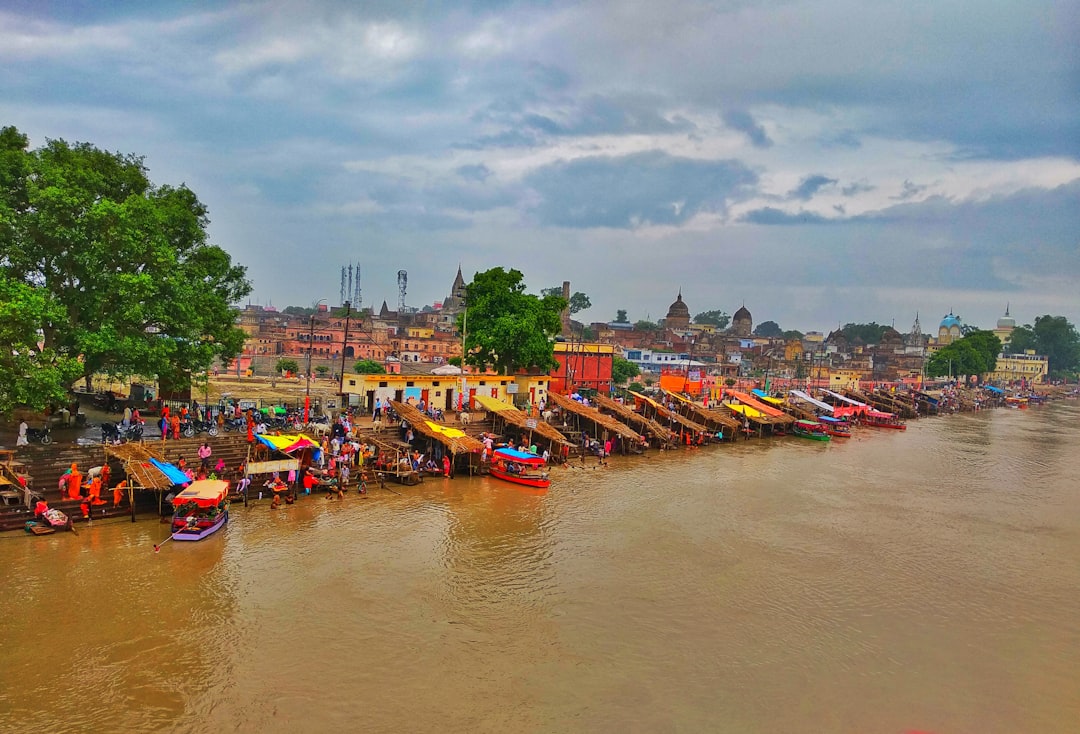
Unique Traditions You Can Only Experience During Ayodhya Festivals

The Sacred Rhythms of Ayodhya’s Festival Calendar
Ayodhya, the birthplace of Lord Rama, has long been a place where the sacred and the seasonal intertwine. Throughout the year, the city transforms itself through a series of festivals that blend spiritual devotion with cultural celebration, drawing pilgrims and travelers from across the world. These are not merely religious observances—they are living traditions that reveal the soul of the city, offering visitors an opportunity to participate in customs that have endured for centuries. When you plan your visit to Ayodhya during festival season, you’re not simply witnessing events; you’re becoming part of a continuum of faith and community that stretches back through generations.
The festivals of Ayodhya are uniquely shaped by the city’s geography, history, and devotional character. Unlike larger, more commercialized celebrations you might encounter elsewhere, the festivals here retain an authenticity that comes from deep-rooted local practice. Whether you’re arriving via trains from Delhi to Ayodhya or planning an extended stay, timing your visit to coincide with a major festival will gift you with experiences that simply cannot be replicated during ordinary days.
Ram Navami: The Celebration of Divine Birth
Ram Navami, celebrated in March or April depending on the lunar calendar, marks the birth of Lord Rama and stands as perhaps the most significant festival in Ayodhya’s calendar. The entire city becomes a canvas of color and devotion during this nine-day celebration. Temples are decorated with flowers and lights, streets are lined with devotional banners, and the air fills with the continuous chanting of prayers and hymns.
What makes Ram Navami particularly special in Ayodhya is the participatory nature of the celebrations. You’ll find yourself swept up in processions that wind through the narrow lanes of the old city, where locals in traditional attire carry ornate palanquins and sing devotional songs. The Saryu riverbanks come alive with makeshift stages hosting classical music and dance performances. Many visitors find themselves spontaneously joining in the singing, even if they don’t speak the language—the emotional resonance of the celebration transcends linguistic boundaries.
The culmination of Ram Navami involves elaborate rituals at temples throughout the city, with the grandest celebrations centered around the newly completed Ram Mandir. The energy is palpable, the crowds are enormous, and the sense of collective spiritual experience is profound. If you’re considering a visit during this time, planning your weekend itinerary well in advance is essential, as accommodations tend to fill quickly during this auspicious period.
Diwali by the Saryu: Light and Remembrance
Diwali, the Festival of Lights, takes on a particularly resonant meaning in Ayodhya. This is the city where Rama returned after fourteen years of exile, and Diwali marks that triumphant homecoming. In October or November, when Diwali arrives, Ayodhya becomes something close to a city of pure light.
The most iconic experience is witnessing the evening aarti on the banks of the Saryu, which during Diwali takes on special magnificence. Hundreds of oil lamps are lit along the riverbanks in a ritual that has likely been performed in some form for thousands of years. The sight of thousands of small flames reflected in the dark water of the Saryu creates a moment of genuine transcendence—one that photography captures but cannot quite convey the feeling of witnessing in person.
Beyond the temples, the entire city celebrates with traditional decorations. Local families light earthen lamps in their homes and courtyards. Markets bustle with activity as people purchase sweets and gifts. The festival creates a sense of intimate community celebration that feels notably different from the larger, more formal atmosphere of Ram Navami. Many boutique hotel guests tell us that Diwali in Ayodhya offered them a glimpse into how ordinary families celebrate this festival—a perspective that enriches their understanding of Indian spirituality far beyond what they might experience in more touristy celebrations.
Vivaha Mandap Utsav: A Festival of Sacred Union
The Vivaha Mandap Utsav, a relatively newer but increasingly popular festival, celebrates the wedding traditions associated with Lord Rama. This festival typically occurs in spring and honors the marriage of Rama and Sita through elaborate reenactments, theatrical performances, and ceremonial rituals that reimagine the divine union described in the Ramayana.
What distinguishes this festival is how it blends scholarly discussion with popular celebration. You’ll find lectures by religious scholars discussing the philosophical aspects of the Ramayana happening simultaneously with street performances, traditional music recitals, and ritual processions. The festival creates a space where both intellectual engagement and emotional devotion coexist comfortably.
For visitors, Vivaha Mandap Utsav offers a less crowded alternative to Ram Navami, while still providing profound spiritual experiences. The festival also showcases the revival of traditional arts and crafts, with local artisans displaying their work and offering demonstrations. This is an excellent time to witness the revival of Ayodhya’s handicraft industry, as many craftspeople use the festival as a platform to showcase their traditional skills in textiles, wood carving, and sacred art forms.
Navratri: Nine Nights of Divine Feminine Energy
Navratri, celebrated for nine nights twice yearly (in spring and autumn), holds special significance in Ayodhya as a festival honoring the divine feminine in her various manifestations. The autumn Navratri, falling typically in September or October, is particularly vibrant in the city, with temples conducting elaborate prayers and communities organizing cultural programs.
During Navratri, you’ll encounter traditions unique to Ayodhya. The festival isn’t primarily about the elaborate dandiya dances you might see in other parts of India; instead, it emphasizes devotional singing, classical music performances, and the preparation of traditional foods associated with each night of the festival. Many local families observe fasting practices during Navratri, and the resulting vegetarian cuisine becomes an important aspect of the festival experience.
One particularly moving tradition involves the worship of young girls as embodiments of the goddess during the final days of Navratri. Families invite local girls into their homes for ceremonies and meals—a practice that underscores the festival’s emphasis on honoring the divine through the everyday relationships within communities. If you’re staying in Ayodhya during Navratri, you may have the opportunity to witness or even participate in these intimate family celebrations.
Kumbh Mela: The Convergence of Millions
While Kumbh Mela technically rotates among several holy cities in India, Ayodhya is slated to host this massive gathering in 2025, making it a once-in-a-lifetime opportunity to witness one of the world’s largest religious congregations in the city’s spiritual context. The Kumbh Mela, held once every twelve years in each city, draws millions of pilgrims for ritual bathing in the holy river and spiritual discourse.
The Kumbh Mela represents festivals on an entirely different scale—this is not an intimate community celebration but rather a convergence of humanity united by faith. The logistics alone are extraordinary, with temporary cities constructed to accommodate the influx of visitors. While the crowds can be overwhelming, many people report that the sheer magnitude of collective devotion creates a transformative experience that stays with them for years.
Planning for the Kumbh Mela requires significant advance preparation. Accommodation becomes scarce even months in advance, and securing a room in a quality hotel that maintains its standards during the rush becomes increasingly challenging. Many guests choose to arrange their stay well ahead of the festival dates to ensure comfort during this extraordinary period.
Planning Your Festival Visit
Each festival in Ayodhya offers distinct experiences and requires different planning approaches. Ram Navami and Kumbh Mela are enormous affairs requiring months of advance booking, while Vivaha Mandap Utsav and Navratri offer more intimate experiences with shorter booking lead times. Consider what kind of experience resonates with you—do you seek the energy of massive crowds and collective fervor, or prefer the nuance of smaller, more locally-focused celebrations?
Whichever festival draws you to Ayodhya, know that you’re participating in something far larger than a scheduled event. These traditions have shaped the city’s identity for centuries, and experiencing them offers perspective on how spirituality, community, and cultural continuity interweave in the fabric of Indian life. The festivals of Ayodhya remind us that the most meaningful travel experiences often come not from what we plan to see, but from what we open ourselves to experience.
Photo by Ayush Srivastava on Unsplash
Discover more from Ayodhya Journal
Subscribe to get the latest posts sent to your email.