


Trains from Delhi to Ayodhya: Your Complete Guide to a Sacred Journey

Ayodhya, the ancient city in Uttar Pradesh and the birthplace of Lord Ram, has become one of the most visited destinations in India, especially after the inauguration of the grand Ram Mandir. For travelers from Delhi, train travel offers a convenient, comfortable, and often economical way to reach this holy city. The rail distance is approximately 620–630 km, with journey times ranging from about 8.5 hours on premium services to 12–14 hours on regular express trains.
Why Travel by Train to Ayodhya?
Trains provide a scenic ride through the plains of Uttar Pradesh, with views of farmlands, rivers, and small towns. Indian Railways has enhanced connectivity significantly in recent years, making it easier for pilgrims and tourists alike. Direct trains depart from major Delhi stations like New Delhi (NDLS), Anand Vihar Terminal (ANVT), Old Delhi (DLI), and Hazrat Nizamuddin (NZM), arriving at Ayodhya Dham Junction (AY) or nearby Ayodhya Cantt (AYC)/Faizabad (FD).
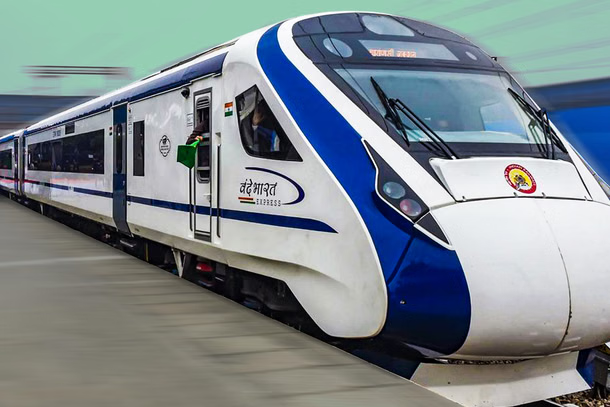
Popular Trains from Delhi to Ayodhya
Here are some of the key trains operating on this route (timings and availability are subject to change; always check IRCTC or official apps for the latest schedule):
- Vande Bharat Express (22426): The fastest and most premium option.
Departs Anand Vihar/New Delhi around 06:10 AM, arrives Ayodhya by ~14:30 PM (approx. 8h 20m). Runs on most days except Wednesdays. Offers modern amenities like onboard catering, Wi-Fi, and comfortable seating. Ideal for a same-day or quick overnight trip. - Ayodhya Express (14206): A dedicated and popular choice for pilgrims.
Departs New Delhi in the evening (around 18:20), arrives early morning (~06:20 next day, ~12 hours). Runs daily. - Kaifiyat SF Express (12226): Reliable daily service.
Evening departure from Delhi (~20:25), arrives Ayodhya early morning (~06:30–07:00, ~10h 28m). - Amrit Bharat Express (15558) and others like Anand Vihar Mau Express (15026), Farakka Express, Sadbhavna Express, etc.: These provide additional options with varying stops and classes.
Number of trains: Dozens of services (direct and via connections) run weekly, with several daily options.
Ticket Fares (Approximate, as of recent data)
- Sleeper Class: Starts from ₹350–500.
- AC 3-Tier: ₹900–1,500.
- AC 2-Tier/Chair Car: Higher.
- Vande Bharat (CC/EC): ₹1,600–3,000+.
Fares vary by class, quota (General, Tatkal, etc.), and demand. Book early, especially during festivals like Ram Navami or Diwali, when crowds surge.
Journey Tips
- Best Time to Visit: October to March for pleasant weather. Summers can be very hot, and monsoons bring rain.
- Stations & Connectivity: Ayodhya Dham Junction is well-connected. From the station, taxis, auto-rickshaws, or e-rickshaws are easily available to the Ram Mandir (around 5–10 km) and other sites like Hanuman Garhi or the Sarayu River ghats.
- Booking: Use the IRCTC website/app, or platforms like ixigo, MakeMyTrip, or Paytm. Check live running status for delays.
- What to Carry: Light clothing (depending on season), comfortable shoes for temple visits, ID proof, snacks/water, and any required medicines.
- Alternatives: If trains are full, consider buses (longer journey) or flights to Ayodhya’s new airport followed by a short road transfer.
- Return Trains: Multiple daily services back to Delhi, including the return Vande Bharat.
Beyond the Train: Experiencing Ayodhya
Once in Ayodhya, immerse yourself in its spiritual aura. Visit the Ram Mandir for darshan, explore the temple complex, and take a dip in the Sarayu River. The city offers a mix of history, devotion, and new infrastructure developments.
Traveling by train from Delhi to Ayodhya combines convenience with the joy of a classic Indian rail journey. Whether you’re a pilgrim seeking blessings or a traveler exploring heritage, the route promises memorable experiences. Plan your trip in advance, and may your journey be safe and fulfilling!
Note: Always verify the latest train schedules, fares, and availability on official Indian Railways platforms before booking.
Discover more from Ayodhya Journal
Subscribe to get the latest posts sent to your email.