

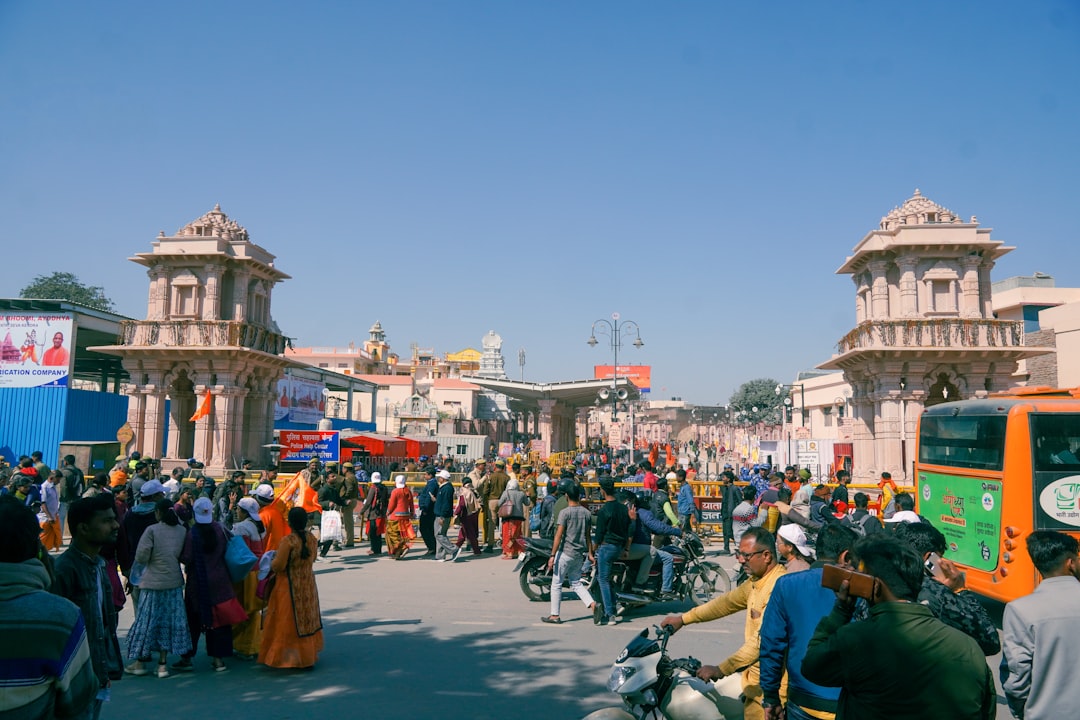
A Guide to Cultural Immersion Experiences in Ayodhya

Understanding Ayodhya’s Spiritual Significance
Ayodhya, a city steeped in mythology and devotion, has long held a place of profound spiritual importance in Hindu tradition. Known as the birthplace of Lord Rama, one of Hinduism’s most revered figures, the city represents centuries of faith, pilgrimage, and cultural continuity. For visitors seeking to understand the heart of Indian spirituality, Ayodhya offers an unparalleled gateway into the lived experience of religion and tradition that shapes the daily lives of millions.
The city’s recent development has brought renewed energy to its ancient landmarks while maintaining the contemplative atmosphere that draws pilgrims from across the world. Whether you’re a spiritual seeker, a history enthusiast, or simply curious about how ancient traditions remain vibrant in contemporary India, Ayodhya invites a deeper engagement with the values, stories, and practices that define Indian cultural identity.
Sacred Temples and Architectural Marvels
At the heart of Ayodhya’s cultural landscape stands the magnificent Ram Mandir, an architectural triumph that seamlessly blends ancient design principles with modern craftsmanship. The temple’s intricate stone carvings, soaring spires, and sacred sanctum create an atmosphere of reverence that touches visitors regardless of their religious background. Walking through its halls offers insights into Hindu temple architecture, the symbolism embedded in every decorative element, and the meticulous devotion that characterizes Indian spiritual spaces.
Beyond the Ram Mandir, Ayodhya is home to numerous other temples that each tell their own stories. The Hanuman Garhi, perched on an elevated platform, offers both spiritual significance and panoramic views of the city. Kanak Bhawan, believed to be the palace of Lord Rama’s son, showcases the intricate artistic traditions of North Indian temple design. These sacred spaces are not merely monuments to visit; they are living centers of worship where you can witness daily rituals, participate in prayer ceremonies, and experience the rhythm of spiritual life as it has been practiced for generations.
For those interested in the archaeological dimensions of these sites, the work undertaken by the Archaeological Survey of India has revealed layers of history that deepen our understanding of how Ayodhya has evolved across different periods. These discoveries provide context that enriches any visit to the city’s temples and sacred grounds.
Engaging with Local Traditions and Daily Life
True cultural immersion extends beyond famous monuments. In Ayodhya, the most meaningful experiences often emerge from interactions with local communities and participation in everyday traditions. Early morning visits to the ghats along the Saryu River reveal a side of the city that most visitors miss—fishermen casting their nets, families performing ritual ablutions, elderly residents performing their daily meditation practices. These quiet moments offer authentic glimpses into how spirituality is woven into the fabric of ordinary life.
Consider spending time in local markets, particularly those selling religious items, flowers, and offerings used in temple worship. The shopkeepers, many of whom have served pilgrims for decades, are wonderful sources of knowledge about local customs and the significance of various rituals. Engaging in conversations while sipping chai from a roadside vendor can yield stories about the city’s history and insights into contemporary religious practice that no guidebook can provide.
For a more structured experience, arrange visits to local schools or community centers where you might learn about education and social initiatives in the region. Many boutique accommodations can facilitate these connections, helping you meet local artisans, teachers, and community leaders who offer perspectives on how tradition and modernity coexist in Ayodhya.
The Art of Pilgrimage and Ritual Practice
Understanding Ayodhya means understanding pilgrimage—one of the oldest and most significant practices in Indian culture. The city attracts millions of devotees annually, each bringing their own intentions, prayers, and spiritual aspirations. Observing pilgrimage practices—whether it’s witnessing the circumambulation of temples, the offering of flowers and prasad (blessed food), or the meditative chanting that fills sacred spaces—provides insight into how spirituality manifests in tangible, embodied ways.
If your visit coincides with major festivals such as Ram Navami or Diwali, you’ll witness celebrations that transform the city into a vibrant tapestry of lights, sounds, and collective devotion. These festivals are not staged for tourists; they are genuine expressions of community faith that have been observed for centuries. The energy, the rituals, and the sense of unity during these occasions reveal something essential about Indian spirituality—its communal nature and its ability to create moments of profound shared experience.
Many visitors find it meaningful to participate in simple rituals themselves. Taking a ritual bath in the Saryu, offering flowers at a temple altar, or receiving blessings from priests can feel transformative. These acts, performed with genuine respect and openness, often become the most memorable aspects of a journey to Ayodhya.
Historical Context and Narrative Understanding
Ayodhya is not just a place of present-day faith; it is a city layered with history spanning millennia. The stories of Lord Rama, immortalized in the epic Ramayana, form the narrative foundation of the entire region. While these are primarily spiritual texts, they also function as repositories of cultural values, moral teachings, and historical memory for Hindu civilization. Understanding these narratives—even in summary form—significantly enriches any visit.
The city itself has been home to various empires and dynasties, each leaving their mark on its architecture and culture. The remains of ancient structures, the evolution of temple designs, and the documented accounts of travelers and scholars across centuries paint a complex picture of how Ayodhya has remained a center of religious and cultural importance across different historical periods. Information about Uttar Pradesh’s heritage sites and tourism initiatives can provide additional context for understanding the region’s broader historical significance.
Engaging with local guides who have deep knowledge of these histories can transform your experience from simple sightseeing into genuine cultural education. These guides often carry family legacies of knowledge, passed down through generations, and can offer perspectives that blend historical facts with lived experience.
Practical Wisdom for Respectful Immersion
Approaching cultural immersion with respect and sensitivity is paramount. Ayodhya is a living sacred space where millions come to practice their faith. Dress modestly, particularly when visiting temples—loose, covered clothing is appropriate. Remove shoes before entering sanctums and follow the lead of local worshippers regarding where you can and cannot go within temples. Many spaces have specific protocols; asking permission before photographing or recording is not just courteous but essential.
Take time to learn a few words and phrases in Hindi or local dialects. This small effort is deeply appreciated and opens doors to more genuine interactions. Be prepared for crowds, particularly during festival seasons, and understand that peak visiting times may not offer the most contemplative experience. Early mornings often provide quieter, more meditative atmospheres in temples and along the river.
Finally, approach your experience with genuine curiosity rather than judgment. Cultural immersion is not about validating or critiquing practices different from your own, but about understanding their meaning and significance within their own context. This openness is what transforms a visit into a true journey of discovery.
Creating Your Personal Journey
Ayodhya rewards those who linger, who move slowly through its streets, and who remain open to unexpected encounters. Whether you spend a weekend or a week, the city offers layers of experience that reveal themselves gradually. The spiritual energy that has drawn pilgrims for centuries remains palpable in its temples, its river, and its people. When you visit, you become part of a continuum of seekers and travelers who have come to this ancient city in search of understanding, peace, and connection to something larger than themselves. That journey, in all its forms, is what makes Ayodhya truly unforgettable.
Photo by Raju Kumar on Unsplash
Discover more from Ayodhya Journal
Subscribe to get the latest posts sent to your email.