

Celebrating Major Festivals in the Holy City of Ayodhya

A Spiritual Journey Through Ayodhya’s Most Celebrated Occasions
There is something profoundly moving about witnessing a festival in a place where faith has flourished for thousands of years. Ayodhya, nestled along the banks of the sacred Sarayu River in Uttar Pradesh, is one of India’s most spiritually significant cities, and its festivals are celebrations that transcend mere calendar events. They are expressions of devotion, culture, and community that transform the entire city into a luminous tapestry of lights, flowers, and fervent prayers. For travelers seeking to experience India’s spiritual heartland at its most vibrant, there is perhaps no better time to visit than during one of Ayodhya’s major festivals.
The festivals of Ayodhya invite visitors not just to observe but to participate, to feel the pulse of millions of devotees united in celebration, and to understand the deep spiritual currents that have shaped this sacred city for millennia. Whether you are a spiritual seeker, a cultural enthusiast, or simply a traveler drawn to authentic experiences, Ayodhya’s festivals offer an unforgettable window into the soul of Hindu tradition and Indian heritage.
Ram Navami: Celebrating the Birth of Lord Rama
Ram Navami, celebrated on the ninth day of the Hindu month of Chaitra, marks the birth of Lord Rama, the seventh incarnation of Vishnu and the central figure in the great epic Ramayana. In Ayodhya, this festival is nothing short of spectacular. The entire city becomes a stage for religious fervor and joyous celebration, with temples adorned with marigolds, silk banners, and intricate flower arrangements. The grand Ram Mandir, with its gleaming spires and ornate architecture, becomes even more magnificent during this period, drawing pilgrims and devotees from across the world.
During Ram Navami, the streets of Ayodhya echo with devotional songs and the chanting of sacred hymns. Processions wind through the city’s ancient lanes, featuring elaborately decorated chariots, traditional musicians, and devotees singing praises of Lord Rama. Many observe fasts, break them with devotional meals, and participate in elaborate puja ceremonies. The atmosphere is electric with devotion—a palpable sense that the divine is present in every corner of the city.
For visitors, experiencing Ram Navami in Ayodhya is to witness history and spirituality converge. The festival offers a rare glimpse into how faith shapes culture, community, and celebration in one of Hinduism’s holiest cities. Staying in Ayodhya during this time allows you to move at the rhythm of the festival, to join in prayers at dawn, to witness the evening aarti ceremonies, and to understand why this moment is so sacred to millions of believers.
Diwali: The Festival of Lights in the City of Rama
While Diwali is celebrated across India with remarkable enthusiasm, there is something uniquely profound about experiencing this Festival of Lights in Ayodhya. Diwali commemorates Lord Rama’s return to Ayodhya after his fourteen-year exile and his victory over the demon king Ravana. In the city itself, Diwali takes on an almost mythical quality—it is as if the festival is reliving the very events it celebrates.
The preparation for Diwali in Ayodhya begins weeks in advance. The city undergoes a transformation as shops are cleaned and whitewashed, homes are decorated, and the markets fill with diyas (oil lamps), colorful rangoli materials, and festive sweets. When Diwali arrives, Ayodhya becomes an ocean of light. Millions of diyas are lit across the city, creating a breathtaking spectacle that was documented in a Guinness World Record. Walking through the illuminated streets of Ayodhya during Diwali is like stepping into a living representation of the festival’s spiritual meaning—darkness dispelled by the light of goodness and truth.
The Ram Mandir and other sacred sites throughout the city are lit up with thousands of lights, creating an ethereal beauty that moves visitors to tears. Evening aarti ceremonies are performed with heightened grandeur, and the entire city resonates with the sounds of celebrations, bursting fireworks, and the joyful greetings of “Happy Diwali” exchanged among strangers and friends alike. For a boutique hotel guest, Diwali in Ayodhya offers an intimate way to celebrate alongside the local community, perhaps attending a neighborhood celebration or witnessing the city’s transformation from your room’s window.
Vivaha Mandap Festival: A Celebration of Divine Union
The Vivaha Mandap Festival is a relatively newer but increasingly significant celebration in Ayodhya’s festival calendar. This festival honors the wedding of Lord Rama and Goddess Sita, commemorate their divine union, and celebrates the ideals of marriage and commitment that they represent in Hindu philosophy. The festival typically takes place in the month of Kartik and has become an occasion for both spiritual reflection and joyous celebration.
During the Vivaha Mandap Festival, the entire city is adorned with elaborate decorations reminiscent of a grand wedding celebration. Temples conduct special pujas and rituals, and the narrative of Rama and Sita’s marriage is recounted through various cultural programs, theatrical performances, and religious discourses. The festival attracts couples seeking blessings, families celebrating together, and cultural enthusiasts interested in understanding the symbolism of divine matrimony in Hindu tradition.
What makes this festival particularly special is how it weaves together spirituality with celebration, inviting visitors to contemplate the deeper meanings of commitment, loyalty, and the balance between the masculine and feminine principles represented by Rama and Sita. The festival offers a more intimate scale compared to the massive gatherings of Ram Navami or Diwali, making it an excellent choice for travelers seeking meaningful spiritual experiences without overwhelming crowds.
Hanuman Jayanti: Honoring the Devoted Devotee
Hanuman Jayanti celebrates the birth of Hanuman, the monkey deity venerated as the epitome of devotion, courage, and loyalty in Hindu tradition. This festival holds special significance in Ayodhya, for it was in this very city that Hanuman served Lord Rama with unwavering dedication. The festival typically occurs in the month of Chaitra and is marked by devotional fervor dedicated to this beloved figure.
Throughout Ayodhya, temples dedicated to Hanuman become centers of celebration during this festival. Devotees sing bhajans (devotional songs) praising Hanuman’s strength and devotion, perform aarti ceremonies, and engage in physical feats and competitions that celebrate the vigor and courage associated with the deity. Unlike some other major festivals that involve elaborate processions and city-wide celebrations, Hanuman Jayanti tends to be more contemplative and devotional in nature, creating an atmosphere of sincere worship and spiritual reflection.
For visitors interested in understanding Hindu philosophy and the values it celebrates, Hanuman Jayanti offers valuable insights. The festival emphasizes how devotion, courage, and service are virtues to be cultivated and honored. Experiencing this festival in Ayodhya, surrounded by devout worshippers, provides a window into a spiritual worldview that values these qualities as paths to enlightenment and fulfillment.
Seasonal Celebrations and Year-Round Spiritual Significance
Beyond the major festivals, Ayodhya maintains a steady rhythm of spiritual observances throughout the year. Regular ceremonies, periodic gatherings, and seasonal celebrations keep the city’s sacred energy alive and dynamic. Visitors planning trips during any season will find opportunities to participate in rituals, attend temple services, or simply absorb the spiritual atmosphere that permeates Ayodhya’s ancient streets and waterfront.
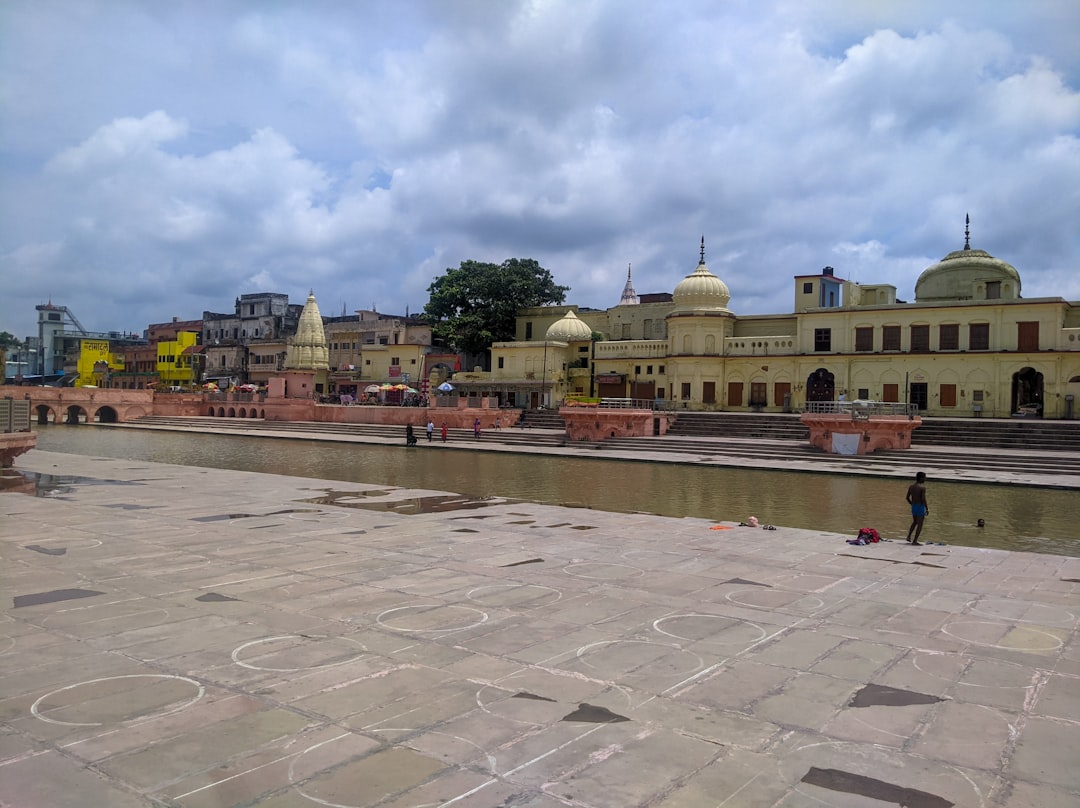
The Sarayu River itself plays a crucial role in many celebrations and daily spiritual practices. Early mornings along the river are particularly enchanting, as pilgrims bathe in its waters and perform prayers as the sun rises. Evening ghats become gathering places where locals and visitors alike congregate to witness aarti ceremonies and participate in spiritual activities. The river, considered sacred by Hindus, is believed to carry the prayers and wishes of devotees, making it a focal point of pilgrimage and devotion year-round.
Experiencing Festivals as a Guest: Practical Insights for Visitors
Planning to celebrate a major festival in Ayodhya requires some practical considerations. These festivals attract massive numbers of pilgrims and devotees, which means the city experiences periods of significant congestion and crowding. Booking accommodation well in advance is essential, and a boutique hotel offers the advantage of personalized service, local insights, and a comfortable retreat from the festival crowds. Staff can provide guidance on the best times to visit temples, recommend authentic local food experiences, and help arrange transportation during peak festival hours.
Respectful participation is important when visiting sacred sites during festivals. While temples and religious spaces generally welcome sincere visitors, it’s wise to understand local customs and dress codes. Most temples have specific guidelines, and wearing traditional or modest clothing is appreciated. Many hotels in Ayodhya can provide cultural orientation to help guests navigate these spaces respectfully and meaningfully.
The festivals of Ayodhya remind us that spirituality is not merely an abstract concept but a living, breathing force that shapes communities, traditions, and daily life. They invite us to step outside our ordinary existence and touch something sacred, something that has endured and evolved for thousands of years. Whether you come as a devoted pilgrim or a curious traveler, Ayodhya’s festivals welcome you into a celebration of faith, culture, and the enduring human search for meaning and connection to the divine.
Photo by Shivam Tiwari on Unsplash
Discover more from Ayodhya Journal
Subscribe to get the latest posts sent to your email.