

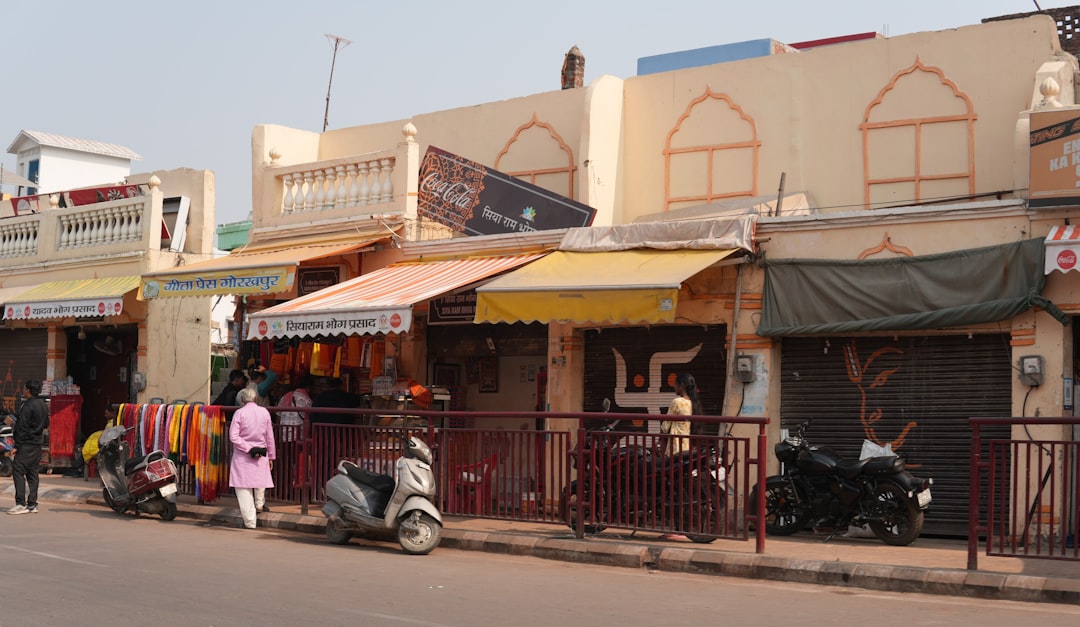
Eco-Friendly and Sustainable Tours of Ayodhya

Discovering Ayodhya with Purpose and Respect
Ayodhya, one of India’s most spiritually significant destinations, stands at a remarkable crossroads of tradition and transformation. This ancient city, revered as the birthplace of Lord Rama, has long drawn pilgrims and seekers from across the globe. Yet in recent years, a more conscious approach to tourism has emerged—one that honors the sacred landscape while ensuring that our presence leaves the destination enriched rather than diminished. For the thoughtful traveler, eco-friendly and sustainable tours of Ayodhya offer an opportunity to experience authentic spirituality without compromising the very essence that makes the city so profound.
Sustainable tourism in Ayodhya isn’t merely a trend; it’s a necessary evolution. The city’s growing popularity has created both opportunities and challenges. Local communities depend on tourism revenue, yet they also treasure the tranquility and environmental integrity of their homeland. When visitors choose eco-conscious experiences, they become partners in a shared vision—one where economic benefit and cultural preservation move in harmony.
The Sacred Geography: Temples, Ghats, and Natural Spaces
Ayodhya’s spiritual landscape is inseparable from its natural environment. The Sarayu River, which flows through the heart of the city, is not merely a geographical feature but a living, breathing element of the region’s identity. Sustainable tours prioritize waterfront experiences that respect the river’s sanctity while minimizing environmental impact. Walking along the newly developed ghats at dawn or dusk—when the air is cool and the crowds are minimal—allows visitors to witness authentic ritual practices without the wear and tear of peak hours.
The city’s temples, including the newly consecrated Ram Mandir, represent centuries of architectural and spiritual heritage. Responsible tourism here means visiting during designated hours, following local protocols, and choosing guided experiences that educate rather than merely spectate. Many boutique tour operators now partner with local scholars and spiritual guides who can contextualise the architectural marvels and theological significance of these spaces. This depth of understanding transforms a visit from a checklist activity into a genuine pilgrimage of the mind and heart.
Beyond the temples themselves, Ayodhya’s surrounding areas offer opportunities for nature-based exploration. The Chakbandi Vihar forest area and various parks within the city provide spaces for reflective walks and bird-watching. These activities support local conservation efforts while offering visitors a chance to connect with the natural rhythms that have shaped Ayodhya’s spiritual culture for millennia.
Supporting Local Communities Through Conscious Choices
One of the most meaningful aspects of sustainable tourism is the direct benefit it brings to local communities. When you choose to dine at family-run restaurants rather than chain establishments, purchase handicrafts directly from artisans, or book tours with locally-owned operators, your money circulates within the community. In Ayodhya, this translates to tangible support for traditional crafts—from intricate wood carving to handwoven textiles that reflect the region’s cultural identity.
Several communities around Ayodhya have developed homestays and small guesthouses that offer intimate, low-impact accommodation experiences. These establishments typically employ local staff, source food from nearby farms, and operate with minimal environmental footprint. Staying in such places not only provides authentic interaction with local life but also ensures that tourism revenue supports families and small businesses directly.
Many tour operators now partner with local women’s cooperatives that offer cooking classes, craft workshops, and guided experiences. These interactions create employment while giving visitors genuine insight into daily life in Ayodhya. You might learn to prepare traditional cuisine from women who’ve cooked these dishes for generations, or purchase directly from weavers whose families have practiced their craft for centuries. Such exchanges, built on mutual respect and fair compensation, are the foundation of responsible tourism.
Practical Steps for Eco-Conscious Exploration
Traveling sustainably in Ayodhya involves thoughtful planning and deliberate choices. Transportation, for instance, significantly impacts the destination’s environmental footprint. Choosing shared shuttle services, hiring bicycles or e-rickshaws for shorter distances, or joining group tours reduces per-person carbon emissions substantially. The city’s improved infrastructure now supports these options better than ever before, making sustainable travel not just ethical but increasingly convenient.
Accommodation choices matter equally. Look for hotels and guesthouses that have implemented water conservation practices, use renewable energy, manage waste responsibly, and source food locally. Many establishments in Ayodhya are moving toward these standards, recognizing that sustainability enhances rather than detracts from the guest experience. Properties that minimize single-use plastics, employ water-saving fixtures, and maintain gardens of native plants often provide more authentic, peaceful environments than those prioritizing maximum convenience.
Respectful engagement with religious spaces requires knowledge and sensitivity. Before visiting temples, understand dress codes and behavioral expectations. Photography policies vary—some sacred spaces restrict cameras entirely, and respecting these wishes is non-negotiable. Hiring local guides ensures you navigate these nuances gracefully while supporting the people most invested in preserving these spaces.
Consider timing your visit during shoulder seasons rather than peak pilgrimage periods. This reduces strain on local resources and infrastructure while offering a more serene experience. The monsoon season transforms Ayodhya’s landscape beautifully, though it requires different preparation; winter months provide comfortable exploration weather with smaller crowds than major festival periods.
Learning the Deeper Stories
Sustainable tourism thrives on understanding. Ayodhya’s significance extends far beyond the religious narratives many visitors arrive expecting to encounter. The city has layers of history—archaeological, literary, architectural, and social—that reward deeper exploration. The Archaeological Survey of India oversees several sites in and around Ayodhya, and many offer guided tours that illuminate the city’s ancient past with scholarly rigor.
Books, documentaries, and conversations with local historians before your visit deepen appreciation exponentially. Understanding the Ramayana’s multiple interpretations, the city’s role in India’s independence movement, its recovery from historical challenges, and its contemporary cultural significance transforms how you move through the space. You become not a consumer of experiences but a student of a living civilization.
Many boutique tour operators now offer specialized itineraries focused on specific themes—textile traditions, architectural evolution, spiritual philosophy, or environmental conservation efforts. These focused explorations allow visitors to move beyond surface-level tourism into meaningful engagement with the destination’s complexity.
The Broader Vision for Ayodhya’s Future
Ayodhya stands at an inflection point. The city is experiencing unprecedented development and visitation, which presents both opportunity and risk. The choices visitors make today will shape whether this growth benefits the community and preserves what makes Ayodhya precious, or whether it erodes the very qualities that draw people here.
According to Uttar Pradesh Tourism, sustainable travel initiatives are increasingly embedded in regional tourism strategies. Local organizations, government bodies, and tour operators are collaborating to develop frameworks that encourage responsible visitation while ensuring economic vitality. Supporting these efforts—by choosing operators and accommodations committed to these principles—amplifies their impact.
The future of Ayodhya belongs to those who visit it thoughtfully. Every choice—where you stay, how you travel, whom you hire, what you purchase, how you behave in sacred spaces—sends a signal about what kind of tourism the destination should cultivate. Sustainable tours aren’t a limitation on experience; they’re an enhancement. They allow you to connect more deeply with place and people, to return home with stories and relationships rather than merely photographs, and to know that your presence contributed positively to a community and landscape you’ve come to cherish.
Planning Your Sustainable Ayodhya Experience
Beginning your sustainable Ayodhya journey starts with intention. Research tour operators who demonstrate genuine commitment to environmental and social responsibility—not merely as marketing but as operational practice. Connect with local accommodations directly, asking specific questions about their sustainability initiatives. Plan sufficient time to move slowly through the city; rushed tourism inevitably becomes extractive tourism.
Arrive with humility and openness. Ayodhya has much to teach those willing to listen—to the Sarayu’s flow, to the stories shared by local guides, to the quiet wisdom found in contemplative spaces. The most rewarding travels happen when we approach a destination not as consumers but as guests, respecting the gift of welcome we’ve been given.
Photo by Harsh Khandelwal on Unsplash
Discover more from Ayodhya Journal
Subscribe to get the latest posts sent to your email.