

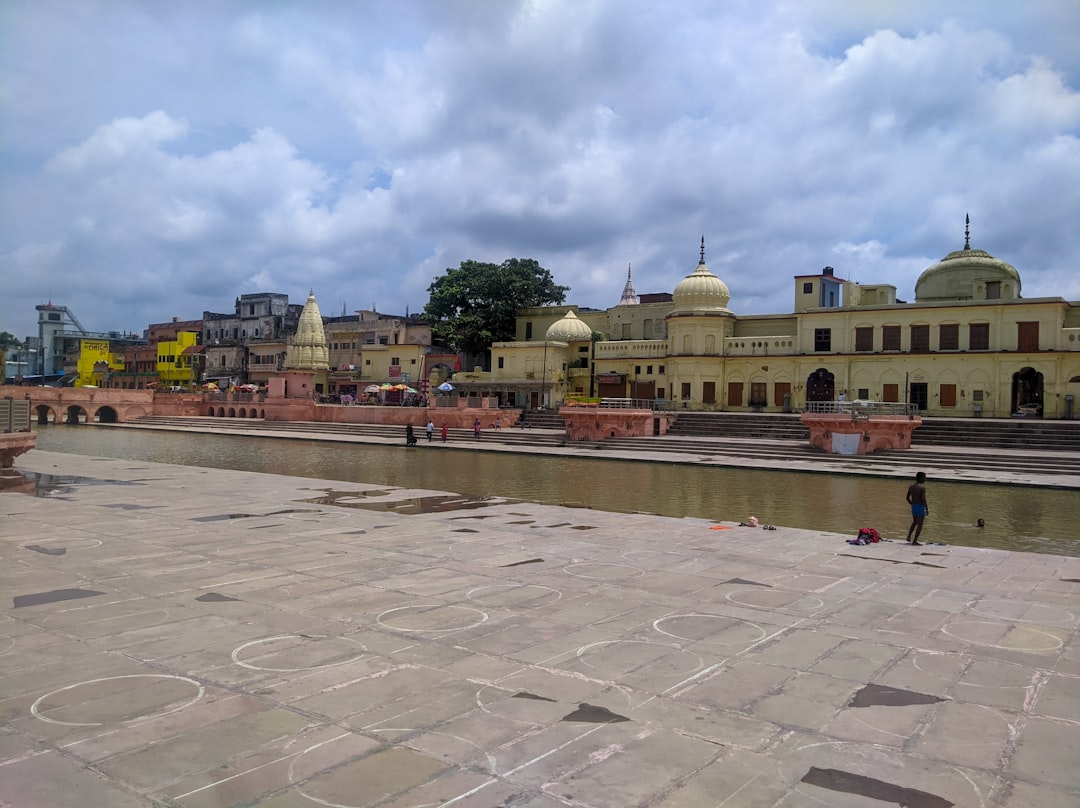
Seasonal Travel Advice: The Best Times to Visit Ayodhya

Understanding Ayodhya’s Climate and Seasons
Ayodhya, nestled along the sacred Sarayu River in Uttar Pradesh, experiences a continental climate with four distinct seasons that each offer their own particular charm and challenges for visitors. Understanding these seasonal variations is essential for planning a visit that aligns with your comfort level and spiritual aspirations. The city sits in India’s Indo-Gangetic Plain, which means temperature extremes are part of the territory—scorching summers that can exceed 45°C and cool winters that dip toward freezing.
The monsoon season brings significant rainfall from June through September, transforming the landscape into lush greenery but also making navigation through the city’s sacred sites more challenging. The pre-monsoon heat of May and early June can be quite intense, though the air carries a certain energy that many pilgrims find spiritually invigorating. Spring and autumn emerge as the most balanced seasons, offering moderate temperatures and relatively lower humidity levels that make exploration both comfortable and deeply immersive.
Autumn: The Golden Window for Pilgrimage
October through November represents the quintessential season for visiting Ayodhya. As summer’s oppressive heat retreats and the monsoon’s dampness dries out, a perfect window of opportunity opens. Temperatures hover between 25°C and 35°C—warm enough to be pleasant but cool enough for extended walking and spiritual contemplation. The skies during these months tend toward a crystalline clarity that makes the morning light particularly luminous as it falls on the temples and ancient architecture.
This period also coincides with significant festivals and celebrations. Diwali, the festival of lights, typically occurs in late October or early November and transforms Ayodhya into a shimmering wonderland. The city’s bridges and ghats are illuminated with millions of oil lamps, and the spiritual energy reaches its crescendo. If you’re interested in exploring beyond the major celebrations, our article on top festivals to experience in Ayodhya beyond Diwali offers fascinating insights into lesser-known observances that still carry tremendous cultural significance.
Accommodation during this peak season does book quickly, so planning ahead is essential. Hotels and boutique properties secure their inventory well in advance as pilgrims and cultural enthusiasts alike recognize this as the sweet spot of the year. The crowds are substantial but manageable, and the energy of the city pulses with genuine spiritual fervor rather than the somewhat hurried pace of other times.
Winter’s Quiet Contemplation
December through February offers a different but equally rewarding experience. Winter in Ayodhya is gentle—rarely does the temperature plunge below 10°C, and days are typically crisp and clear. This season appeals to those seeking a more meditative visit, as the cooler weather brings fewer casual day-trippers and the city settles into a quieter rhythm. Early mornings along the Sarayu River become almost ethereal, with mist rising from the water as the sun catches the temple spires.
Winter is also an excellent time for longer stays and deeper exploration. Without the pressure of extreme heat, you can spend unhurried hours at sacred sites and engage more fully with the city’s spiritual and cultural dimensions. Those interested in the historical underpinnings of their visit will appreciate the calm that allows for contemplative study of ancient legends behind Ayodhya’s sacred sites. The pace feels less rushed, accommodations are more readily available, and prices are often more favorable than during peak season.
The challenge during winter months is primarily logistical rather than climatic. Some travelers find the cooler evenings require an extra layer, though heating is readily available in quality accommodations. The real consideration is simply that your visit will be less festive than during the major festival season—which, for many visitors seeking spiritual depth over celebration, is precisely the point.
Spring: Renewal and Gentle Warmth
March and April bring spring to Ayodhya with temperatures climbing gradually toward summer but remaining quite manageable. The landscape transitions beautifully during these months, with flowers blooming and the greenery from winter’s subtle moisture creating a fresh aesthetic. Spring represents an excellent compromise season—warmer than winter but not yet into the oppressive heat of May and June, with the added benefit of smaller crowds than autumn.
This is an ideal time if you’re planning a longer, more immersive visit. The perfect weekend itinerary for the holy city of Ayodhya can easily be extended into a week-long exploration without weather becoming a constraining factor. Spring allows you to move at your own pace, spend time in reflection, and engage with local communities in a less hurried fashion. Many spiritual practitioners prefer spring for dedicated practice and study, as the moderate climate supports extended time both indoors and outdoors.
The one consideration during spring is the variable nature of late winter storms that occasionally linger into March. These are typically brief and actually add drama and beauty to the landscape, but travelers with strict timelines should account for potential minor disruptions.
Planning Your Visit: Practical Seasonal Considerations
Beyond temperature and precipitation, there are several practical factors to weigh when choosing your travel season. The tourism infrastructure in Ayodhya is experiencing remarkable growth, particularly around the restored Ram Mandir, and understanding growing tourism in Ayodhya and this new era of development can help you anticipate what to expect during your visit.
Autumn’s popularity means competitive accommodation pricing and significant crowds, but it also means robust availability of restaurants, guides, and services. Winter offers better rates and more peaceful exploration but requires patience with slightly fewer dining options at any given moment. Spring provides balance—moderate weather, reasonable crowds, and good availability of services without the premium pricing of peak season. Summer, while challenging for its heat, becomes viable if you plan rest periods during midday hours and focus on early morning and evening activities.
Regardless of season, dress in layers and bring sun protection. Ayodhya’s sun is intense year-round, and even winter’s mild days can deliver surprising UV exposure. Water intake becomes particularly crucial during warmer months but should remain a priority throughout the year. If you plan to visit sacred sites and temples, modest dress is respectful and necessary—lightweight cotton clothing that covers shoulders and knees works well across all seasons.
Creating Your Seasonal Experience
Your ideal season ultimately depends on what kind of experience you’re seeking. Those drawn by the spiritual electricity of major festivals and celebrations will find autumn and early winter most fulfilling. Visitors seeking solitude, deeper study, and a slower pace often prefer winter and spring. Summer might appeal to those with specific ritual or practice goals that they’re willing to accommodate around the heat, and the dedicated few who come then will discover an Ayodhya that feels less like a tourist destination and more like a living spiritual center.
The city itself remains magnificent and meaningful in every season. The sacred geometry of its temples, the flow of the Sarayu, and the layers of history woven through its streets transcend seasonal variation. What changes is simply the lens through which you experience these elements—the lens of celebration and community energy, or quiet contemplation and personal reflection. We invite you to choose the season that resonates with your spirit, and we look forward to welcoming you to this extraordinary place.
Photo by Shivam Tiwari on Unsplash
Discover more from Ayodhya Journal
Subscribe to get the latest posts sent to your email.