

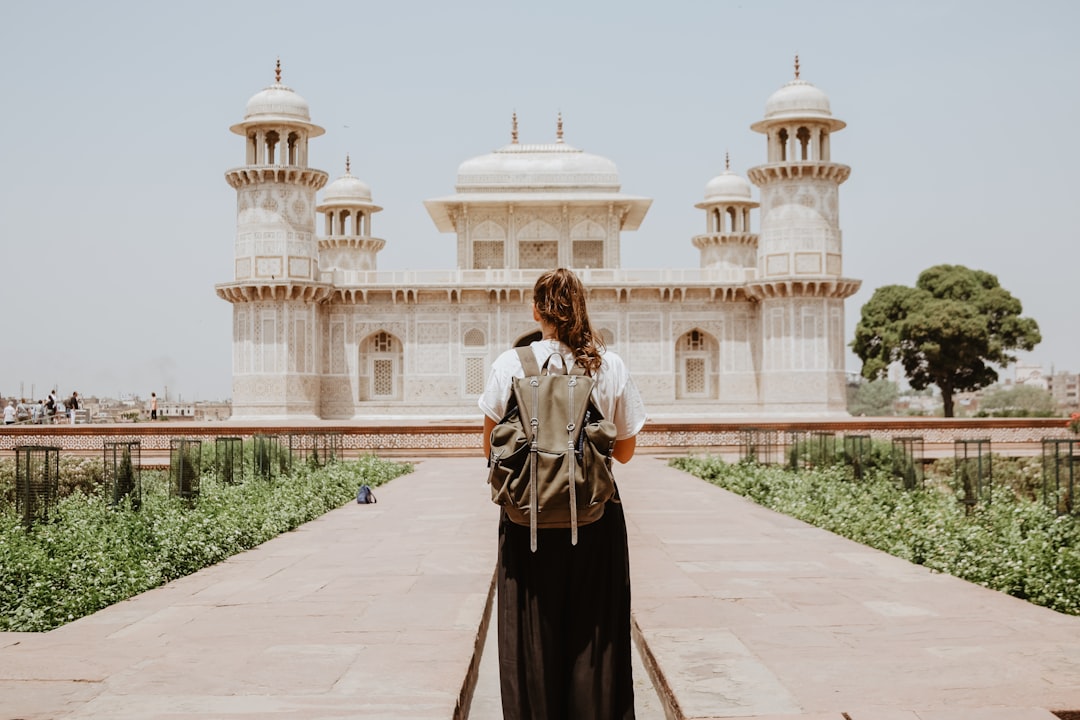
A Student’s Guide to Budget Travel in Ayodhya

Getting to Ayodhya on a Shoestring Budget
Ayodhya, one of the holiest cities in India, has become increasingly accessible to travelers of all budgets. If you’re a student planning your first pilgrimage or cultural journey to this sacred destination, the good news is that reaching Ayodhya need not drain your savings. The city has excellent connectivity via multiple transportation modes, each offering affordable options for budget-conscious travelers.
By train, Ayodhya is well-connected to major Indian cities. Trains from Delhi to Ayodhya offer several options, with sleeper and general class compartments being particularly economical for students. A general class ticket can cost as little as a few hundred rupees, making it one of the most affordable ways to travel. Flying into Maharishi Valmiki Airport might seem luxurious, but budget airlines occasionally offer competitive fares if you book well in advance or travel during off-peak seasons. Buses are another wallet-friendly option, with state-run and private operators providing regular services from nearby cities.
Where Budget Stays Meet Comfort
The accommodation landscape in Ayodhya has evolved dramatically, offering options that cater to every budget level. While luxury accommodations certainly exist, students will find excellent value in guesthouses, dharamshalas, and budget hotels scattered throughout the city. Many religious institutions and charitable trusts operate dharamshalas—traditional lodging facilities—that offer clean, basic rooms at incredibly low prices, sometimes as little as one or two hundred rupees per night.
The beauty of staying in these more modest accommodations is that you’ll often find yourself amidst pilgrims and fellow travelers, creating authentic experiences and friendships. Many of these establishments include simple but nourishing meals in their rates. For students seeking a middle ground between ultra-budget and luxury, mid-range hotels in areas like Naya Ayodhya offer comfortable rooms with essential amenities at reasonable prices, typically between five hundred and two thousand rupees per night. Booking platforms often list special student discounts or off-season rates, so don’t hesitate to inquire directly with properties about any available reductions.
Eating Well Without Breaking the Bank
One of the greatest pleasures of traveling to Ayodhya is experiencing its culinary heritage. The city’s food scene reflects its spiritual significance and local traditions, and fortunately, the best meals won’t cost you much. Street food vendors serve delicious snacks and light meals for mere dozens of rupees—think samosas, kachoris, and jalebi that taste authentic and cost almost nothing. Religious institutions often serve free or nearly-free community meals (langar) to visitors, providing generous, wholesome food that sustains pilgrims throughout the day.
Local restaurants and eateries frequented by residents rather than tourists offer better value than establishments in tourist hotspots. A hearty thali—a traditional meal served on a single plate with rice, vegetables, lentils, and bread—can be found for reasonable prices and will keep you satisfied for hours. If you’re interested in learning to cook some of these dishes yourself, exploring traditional recipes and flavors from Ayodhya might inspire you to try simple preparations using local ingredients available at markets. Shopping at local bazaars for fresh fruits, nuts, and snacks is not only budget-friendly but also gives you an authentic sense of how locals live.
Free and Low-Cost Activities That Matter Most
The spiritual and cultural heart of Ayodhya is accessible to all visitors, regardless of budget. Most temples and sacred sites charge minimal or no entry fees. Walking along the banks of the Sarayu River, visiting the spiritual significance of Ram Janmabhoomi, and exploring the ghats are entirely free experiences that form the core of any visit. Many religious sites offer free darshan (viewing) opportunities, particularly in early morning or evening hours when the atmosphere is most serene.
Student travelers should seek out cultural immersion experiences in Ayodhya, many of which are either free or operate on a donation basis. Local guides—often enthusiastic residents or retired scholars—sometimes offer tours at minimal cost or even free in exchange for interaction and storytelling. Museums and heritage sites occasionally offer student discounts with valid identification. Participating in community activities, attending religious ceremonies, or joining evening aarti (prayer rituals) at temples costs nothing but offers immeasurable cultural value. Depending on when you visit, you might coincide with youth-oriented cultural events in Ayodhya that celebrate the city’s traditions through festivals, exhibitions, and spiritual gatherings.
Smart Travel Tips for Student Budgets
Planning your visit during off-peak seasons—monsoon months or the cooler winter months outside of major festival periods—will significantly reduce your expenses. Accommodation rates drop, and you’ll encounter fewer crowds at popular sites. Consider visiting for shorter durations if your schedule allows; a perfect pilgrimage itinerary in one day demonstrates that even limited time yields meaningful experiences.
Get yourself a student identification card and carry it at all times—many sites and services offer student discounts that aren’t always prominently advertised. Use public transportation like buses and local trains rather than autos or taxis whenever possible. Walk when you can; the city is compact and walking tours reveal details you’d miss from vehicles. Connect with other student travelers through hostels, online travel communities, or social media groups focused on Ayodhya; group experiences often translate to shared costs and richer interactions.
Research government-operated tourism services through Uttar Pradesh Tourism or Incredible India, which sometimes offer affordable group packages or information about budget-friendly accommodations. Download offline maps before arriving to avoid expensive data charges while navigating the city.
Making Your Budget Stretch Further
The philosophy of budget travel in Ayodhya isn’t about deprivation; it’s about prioritization and authenticity. By choosing to stay in local accommodations, eat where residents eat, and engage with the city’s spiritual and cultural offerings rather than commercialized attractions, you’ll not only save money but also have far richer experiences. Your student years are the perfect time to travel this way—you have the energy to walk more, the openness to embrace simpler accommodations, and the curiosity to learn from locals rather than relying on packaged tours.
Ayodhya welcomes pilgrims and seekers of all economic backgrounds. The city’s spiritual essence doesn’t discriminate based on how much you spend, and some of your most profound moments will undoubtedly come during free or low-cost experiences—a conversation with a fellow traveler at a temple, the sound of evening prayers echoing across the Sarayu, or the taste of simple, home-cooked food prepared with care. This is what makes traveling to Ayodhya as a student so special: you’re not just visiting a destination; you’re becoming part of its continuous story of pilgrimage and spiritual seeking that has flourished here for centuries.
Photo by Ibrahim Rifath on Unsplash
Discover more from Ayodhya Journal
Subscribe to get the latest posts sent to your email.