

Tracing Ramayana Connections Throughout Ayodhya’s Landscape

The Sacred Landscape of Ayodhya: Where Legend Meets Reality
Ayodhya holds a singular place in the hearts of millions around the world. For centuries, this holy city along the Saryu River has been revered as the birthplace of Lord Rama, one of Hinduism’s most beloved deities and the central figure of the ancient epic, the Ramayana. The landscape itself seems to whisper stories—every temple, every ghat, every winding lane carries echoes of the divine narrative that has shaped Indian culture for millennia. For travelers seeking to understand not just the spiritual essence of India but also the historical and cultural threads that bind the nation together, Ayodhya offers an unparalleled journey.
What makes a visit to Ayodhya particularly compelling is that it is far more than a pilgrimage destination. It is an open-air museum of faith, history, and artistic tradition. The recent transformation of the city has made it increasingly accessible to visitors from around the world, and the convergence of Delhi to Ayodhya flights witnessing growing demand as pilgrim traffic surges reflects a broader awakening to the city’s significance as a cultural and spiritual hub. Whether you arrive by air, rail, or road, stepping into Ayodhya is like stepping into the pages of an ancient manuscript come to life.
Ram Janmabhoomi: The Heart of Ayodhya’s Spiritual Identity
At the very center of Ayodhya’s spiritual geography stands the Ram Janmabhoomi, the sacred site believed to be the exact birthplace of Lord Rama. The newly constructed temple here represents not just a place of worship but a monumental achievement of architectural restoration and spiritual reclamation. The gleaming white marble structure, with its intricate carvings and soaring spires, has become an iconic symbol of the city’s renaissance.
Visitors who enter the sanctum sanctorum often report a profound sense of peace that transcends religious boundaries. The temple’s design incorporates centuries of architectural tradition, drawing inspiration from classical Hindu temple aesthetics while incorporating modern engineering. The spiritual significance of Ram Janmabhoomi extends beyond the physical structure; it encompasses the collective memory and devotion of the Hindu community, making it one of the most emotionally resonant sites in all of South Asia. The experience of witnessing the morning rituals here, when the first light touches the inner sanctum, is something that stays with visitors long after they leave.
A Walk Through Sacred Ghats: The Saryu’s Eternal Flow
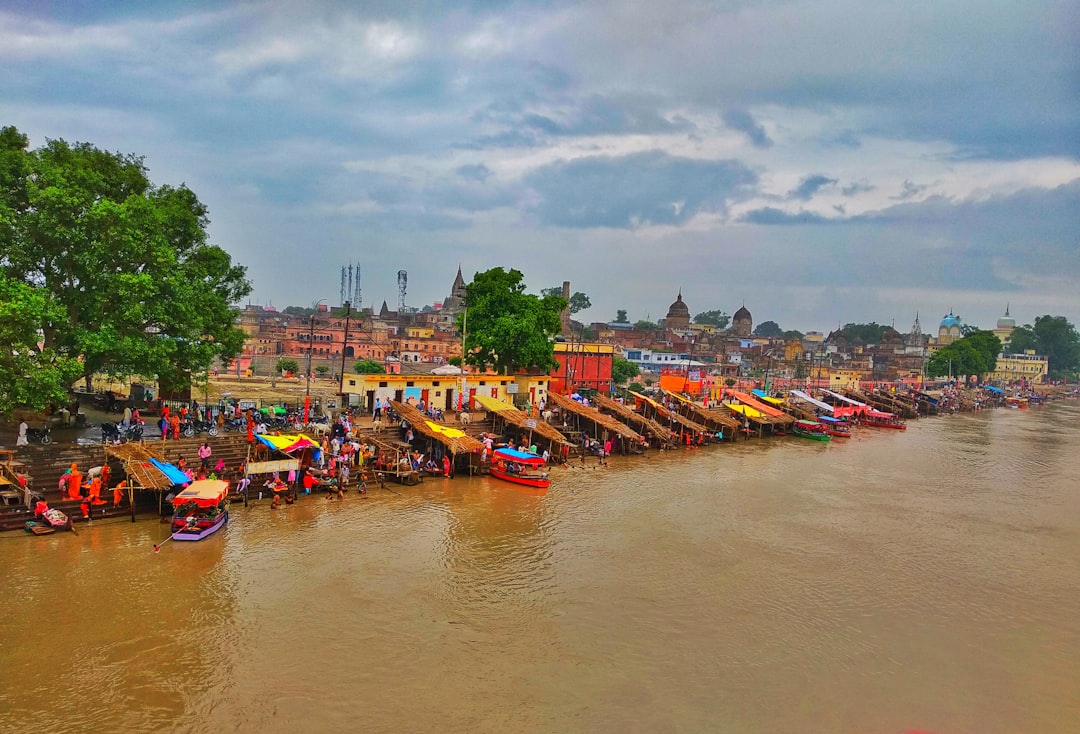
The Saryu River forms the lifeblood of Ayodhya’s spiritual landscape. According to the Ramayana, this river witnessed many pivotal moments in Rama’s life, and its banks have been the site of sacred rituals and devotional practices for thousands of years. The ghats that line the river are not merely stone steps leading to water; they are stages upon which the daily drama of faith unfolds.
Walking along these ghats at different times of day reveals different dimensions of Ayodhya’s character. In the early morning, you’ll encounter sadhus (spiritual renunciates) performing their meditative practices, their silhouettes framed against the misty river. As the day progresses, the ghats become spaces of community—where families bathe, where pilgrims perform rituals, and where the universal human desire for spiritual connection finds expression. For those seeking a more immersive experience, experiencing the evening aarti on the banks of the Saryu offers a particularly moving encounter with Ayodhya’s living traditions. The aarti—the ritual of worship involving the waving of sacred flames—transforms the evening into a luminous celebration of devotion, with the reflected light dancing on the water like stars brought down to earth.
Tracing Rama’s Journey Through Ayodhya’s Sacred Sites
The Ramayana is not merely a text to be read; in Ayodhya, it is a geography to be explored. The city is dotted with temples and sites that mark significant episodes from Rama’s life and reign. Each location carries its own narrative weight and spiritual resonance, creating a kind of living pilgrimage route through one of literature’s greatest epics.
The Kanak Bhawan, believed to be the palace where Rama and his consort Sita were gifted a golden statue as part of their wedding gifts, stands as a testament to the devotional creativity that has transformed historical space into sacred meaning. Similarly, temples dedicated to other key figures in the Ramayana—including those honoring Lakshman, Bharata, and Shatrughna, Rama’s brothers—dot the landscape and serve as focal points for understanding the complex family dynamics and moral teachings central to the epic. For those interested in exploring the historical temples of Ayodhya’s sacred landscape, each site offers layers of historical, architectural, and spiritual significance waiting to be discovered. The interconnection of these sites creates a mental map of the Ramayana itself, allowing visitors to literally walk the story and contemplate its teachings in the very locations where they are believed to have occurred.
The Convergence of History, Culture, and Contemporary Spirituality
What makes Ayodhya particularly fascinating in the contemporary moment is the way it bridges past and present. The city has always been a place of pilgrimage, yet recent developments have positioned it as a destination for cultural tourism and interfaith dialogue as well. The transformation of the city has been undertaken with careful attention to preserving its historical integrity while creating modern infrastructure to serve visitors from across the world and across the spectrum of spiritual traditions.
The emergence of Ayodhya as a truly global pilgrimage destination reflects a broader recognition that sacred places transcend narrow sectarian boundaries and hold universal significance. Visitors arrive with different faiths, different backgrounds, and different reasons for coming, yet the city welcomes them all. This openness is reflected in the way Ayodhya’s cultural calendar has expanded to include celebrating major festivals in the holy city of Ayodhya, which now attract international visitors alongside domestic pilgrims. The festivals serve not only as occasions for worship but as windows into the lived experience of Hindu spirituality and community life.
Staying Present: Finding Stillness in the Sacred City
For those seeking to move beyond surface-level tourism and truly connect with Ayodhya’s essence, staying for several days rather than rushing through in a day trip makes all the difference. A boutique hotel offering personalized service, cultural guidance, and space for reflection can transform a visit into a genuine spiritual retreat. The best visits to Ayodhya are often those where travelers allow themselves to move at the city’s own rhythm, to sit in silence at the ghats, to listen to the chanting in the temples, and to let the accumulated spiritual energy of centuries work quietly on the soul.
Ayodhya invites us to slow down, to question what we believe, and to connect with something larger than ourselves. Whether you come as a devoted pilgrim or as a curious traveler seeking to understand one of the world’s great spiritual traditions, the city offers profound gifts to those willing to receive them. The Ramayana speaks of dharma—righteous duty—and walking these sacred streets, it becomes clear that one of our duties as visitors to this world is to honor and preserve these places that hold meaning for so many others. Ayodhya stands ready to welcome you into that conversation.
Photo by Ayush Srivastava on Unsplash
Discover more from Ayodhya Journal
Subscribe to get the latest posts sent to your email.